
The Future of Events: How Publishers & Education Brands Can Connect, Inspire & Grow

The landscape of events for publishers and educational brands has undergone seismic shifts over recent years, accelerated by technological advancement, changing audience expectations, and global disruptions that forced immediate innovation. What emerged from this transformation is not merely a return to “normal” but an evolution toward more dynamic, accessible, and impactful event experiences that transcend traditional boundaries of geography, format, and engagement. Publishers and education brands now stand at an inflection point where the future of events promises unprecedented opportunities to connect with audiences, inspire communities, and drive sustainable growth. This comprehensive exploration examines emerging trends, innovative formats, technological enablers, and strategic approaches that will define successful event strategies for publishing and education sectors in the years ahead. The Hybrid Revolution: Best of Both Worlds The most significant shift in event strategy is the emergence of hybrid events as the new standard rather than temporary accommodation. Hybrid events—combining in-person experiences with virtual participation—offer compelling advantages that neither purely physical nor entirely digital events can match. Expanded Reach and Accessibility: Hybrid formats dramatically expand potential audience size by eliminating geographical barriers. A book launch in Mumbai can engage readers in Bangalore, Delhi, and internationally without travel requirements. Educational seminars reach learners across rural and urban areas equally. This democratization of access aligns perfectly with publishing and education missions to broadly disseminate knowledge. Flexibility and Inclusivity: Hybrid events accommodate diverse participation preferences and circumstances. Parents managing childcare, professionals with demanding schedules, individuals with mobility limitations, or those simply preferring digital interaction can all engage meaningfully. This inclusivity expands market reach while demonstrating commitment to accessibility. Data and Engagement Insights: Digital components of hybrid events generate rich data about attendance patterns, engagement levels, content preferences, and audience demographics. Publishers and education brands can leverage these insights to refine content strategies, personalize marketing, and improve future events. Understanding which sessions drive longest engagement or which topics generate most questions informs content development decisions. Extended Lifecycle and Content Repurposing: Hybrid events create valuable content assets extending far beyond the live event. Recorded sessions become on-demand resources, excerpts transform into social media content, transcripts become blog posts, and highlights generate promotional materials for future events. This content multiplication amplifies return on event investment dramatically. Successful hybrid execution requires thoughtful design ensuring neither in-person nor virtual audiences feel like afterthoughts. Both experiences must deliver value, interaction, and connection appropriate to their format. Publishers hosting author readings might feature live audience Q&A while enabling virtual participants to submit questions via chat. Educational webinars could incorporate breakout discussions for in-person attendees and themed chat channels for digital participants. Immersive and Experiential Event Formats The future of events moves beyond passive content consumption toward immersive experiences that engage audiences emotionally, intellectually, and socially in memorable ways. Interactive Workshops and Hands-On Learning: Educational brands increasingly favor workshop formats over traditional lectures. Participants don’t just hear about concepts—they practice skills, solve problems collaboratively, and create tangible outputs. Publishers can adapt this approach through writing workshops where attendees draft passages, book discussion formats encouraging analytical engagement, or creativity sessions exploring themes from published works. Gamification and Competitive Elements: Incorporating game mechanics—challenges, points, leaderboards, achievements—transforms events into engaging experiences. Educational publishers might create quiz competitions around textbook content, literary publishers could design mystery-solving activities based on thriller novels, or academic conferences might include research presentation competitions with peer voting. Augmented and Virtual Reality Experiences: As AR and VR technologies become more accessible, forward-thinking publishers and education brands experiment with immersive storytelling and learning environments. Historical textbook publishers could offer VR experiences transporting students to historical periods. Children’s book publishers might create AR apps bringing characters to life during story readings. While still emerging, these technologies represent significant future opportunities. Multi-Sensory Engagement: Events engaging multiple senses create more memorable experiences. Book launches might feature music reflecting the book’s themes, scents evoking the setting, or tastings of foods mentioned in the narrative. Educational events could incorporate tactile materials, visual demonstrations, and auditory elements that reinforce learning through multiple pathways. Micro-Events and Continuous Engagement Strategies Rather than concentrating energy into a few large annual events, the future favors more frequent, smaller-scale engagements that maintain continuous audience connection. Weekly or Monthly Virtual Gatherings: Regular smaller events—weekly author Q&As, monthly topical discussions, bi-weekly skill-building sessions—keep audiences engaged between major events. These micro-events require less production investment while building community and maintaining mindshare. Educational brands might offer weekly “office hours” where learners access expert guidance. Publishers could host monthly genre-specific book clubs creating ongoing reader communities. Pop-Up Events and Flash Engagements: Spontaneous, limited-notice events create excitement through urgency and exclusivity. A publisher might announce a surprise author appearance 48 hours in advance, or an education brand could offer a flash masterclass on trending topics. These unexpected opportunities reward engaged followers and generate social media buzz. Series-Based Event Structures: Rather than standalone events, organizing events into related series creates narrative continuity encouraging sustained participation. A publisher launching a trilogy might host events timed to each book release, building anticipation and rewarding series followers. Educational brands could offer skill progression series where each event builds on previous learning. Community-Driven Events: Empowering audiences to organize and lead events under your brand umbrella extends reach while building leadership within communities. Publishers can support reader-organized book clubs, fan conventions, or discussion groups. Education brands might enable peer learning sessions or student-led study groups that maintain connection to your brand while requiring minimal organizational resources. Personalization and Segmented Event Strategies One-size-fits-all events increasingly give way to personalized experiences tailored to specific audience segments with distinct interests, needs, and engagement preferences. Demographic-Specific Programming: Creating events designed for particular demographics—teens, working professionals, retirees, parents, educators—enables more relevant content and appropriate engagement approaches. A publisher might host separate events for young adult readers versus adult literary fiction enthusiasts. Educational brands could offer differentiated programming for K-12 educators versus higher education faculty. Interest-Based Micro-Communities: Within broader audiences, identifying micro-communities around specific interests or needs enables highly targeted events. Science fiction readers, historical non-fiction enthusiasts, or poetry lovers each appreciate
Balancing AI and Human Creativity: How Generative Tools Shape Modern Content Strategy

The creative landscape has transformed dramatically over the past few years, with generative AI tools emerging as both collaborator and catalyst in content creation. For writers, marketers, and creative professionals, these technologies present a paradox: they offer unprecedented efficiency and capability while simultaneously raising fundamental questions about authenticity, originality, and the irreplaceable nature of human creativity. At LiteraryLounge, we’ve spent considerable time exploring this intersection, working with authors and content creators to integrate AI tools thoughtfully while preserving the distinctive human voice that makes content resonate with audiences. The question is no longer whether to use AI in content strategy—these tools have become too powerful and pervasive to ignore—but rather how to leverage them effectively while maintaining creative integrity and authentic connection with readers. This exploration examines the current state of generative AI, its practical applications in content creation, the essential role of human creativity, and strategies for achieving balance that amplifies rather than diminishes human creative potential. The Current State of Generative AI in Content Creation Generative AI has progressed from novelty to necessity in remarkably short time. Large language models can now produce coherent, contextually appropriate text across genres and formats. Image generation systems create visual content from text descriptions. Audio tools generate music, sound effects, and even synthesized voices that approach natural human speech. These capabilities continue advancing at accelerating pace, with each generation of models demonstrating improved understanding, nuance, and creative capacity. For content creators, these tools offer practical capabilities that were inconceivable just years ago. A blog post that once required hours of research and writing can now be drafted in minutes. Marketing copy variations that would have demanded days from a copywriting team can be generated and tested within hours. Writers struggling with specific passages can explore multiple approaches quickly, breaking through creative blocks that might otherwise stall projects for days. At LiteraryLounge, we’ve observed that successful creators approach these tools not as replacements for human creativity but as powerful assistants that handle specific tasks within larger creative processes. The most effective applications augment human capabilities rather than attempting to automate creativity entirely. This distinction—augmentation versus automation—fundamentally shapes how AI integration succeeds or fails in content strategy. Practical Applications: Where AI Excels in Content Work Understanding where generative AI tools genuinely excel helps creators deploy them strategically rather than expecting universal solutions to every creative challenge. Research and Information Synthesis: AI models trained on vast corpora of text can quickly synthesize information across topics, providing starting points for deeper research. Rather than spending hours gathering basic information, creators can prompt AI systems to provide overviews, identify key concepts, or suggest angles for exploration. This accelerated research phase frees time for more valuable work—analysis, original thinking, and creative synthesis that remains distinctly human territory. Ideation and Brainstorming: When creativity feels stuck, AI can generate numerous alternatives, variations, and unexpected combinations that spark new directions. Need twenty headline options for a blog post? Exploring different approaches to a story opening? Considering various angles for a marketing campaign? AI systems excel at producing volume and variety, creating raw material that human judgment can then evaluate and refine. Drafting and Iteration: First drafts often represent the most psychologically difficult phase of writing—facing the blank page and producing initial imperfect words. AI can generate rough drafts that provide structure and starting points, which human creators then substantially revise, refine, and infuse with genuine insight and voice. This approach leverages AI’s speed while ensuring human creativity shapes final output. Format Adaptation and Repurposing: Transforming content across formats—blog posts to social media snippets, long-form articles to email newsletters, written content to video scripts—represents time-consuming but necessary work. AI handles these mechanical transformations efficiently, adapting content structure and style to different platforms while preserving core messages. Technical and SEO Optimization: AI tools analyze content for search engine optimization opportunities, readability improvements, and technical enhancements. They identify keyword opportunities, suggest structural improvements for better scanning and comprehension, and flag potential issues before publication. Personalization at Scale: Creating personalized content variations for different audience segments manually is prohibitively time-consuming. AI enables mass personalization, adjusting tone, examples, and emphasis to resonate with specific demographics while maintaining brand consistency. At LiteraryLounge, we guide creators toward AI applications that genuinely save time without compromising authenticity. The key is selecting use cases where AI handles mechanical or volume-intensive tasks, freeing human creators for work requiring genuine creativity, emotional intelligence, and strategic thinking. The Irreplaceable Human Elements: What AI Cannot Replicate Despite impressive capabilities, generative AI exhibits fundamental limitations that underscore why human creativity remains essential to content that genuinely connects with audiences. Lived Experience and Authentic Perspective: AI models synthesize patterns from training data but possess no lived experience, personal perspective, or authentic point of view. They cannot draw from childhood memories, professional expertise accumulated over decades, or the specific combination of experiences that makes each human creator unique. Content that resonates most powerfully emerges from authentic personal experience—the specific details, emotional truths, and hard-won insights that AI cannot access or fabricate convincingly. Emotional Intelligence and Empathy: While AI can identify emotional patterns in text and generate emotionally appropriate language, it lacks genuine emotional understanding. It cannot truly empathize with reader struggles, celebrate their victories, or understand the nuanced emotional needs different audiences bring to content. Human creators possess intuitive understanding of how words affect emotions, which stories comfort versus challenge, and how timing and context shape emotional resonance. Strategic Judgment and Contextual Understanding: Content strategy requires understanding business goals, brand identity, competitive landscape, and audience psychology in ways that inform every creative decision. AI lacks the strategic judgment to know which topics advance business objectives, which messages strengthen brand positioning, or which approaches differentiate from competitors. These strategic choices demand human intelligence that considers multiple variables AI cannot integrate effectively. Ethical Reasoning and Values Alignment: Content creation involves constant ethical decisions: Is this claim substantiated? Does this language respect audience dignity? Are we representing diverse perspectives fairly? Does this content serve readers’ genuine interests versus manipulating
Self-Publishing Costs in 2026: What Authors Really Need to Know
The dream of self-publishing has never been more accessible. Platforms like Amazon KDP, IngramSpark, and Draft2Digital allow anyone to publish a book with zero upfront fees, theoretically making authorship available to all. Yet the reality of successful self-publishing in 2026 is far more nuanced than the “publish for free” marketing suggests. While you can technically upload a Word document and call yourself published, creating a book that looks professional, reaches readers, and generates meaningful sales requires strategic planning and resource allocation. This comprehensive guide breaks down what self-published authors truly need to invest in during 2026, distinguishing between essential elements, valuable investments, and unnecessary expenditures that drain budgets without delivering results. Whether you’re preparing to launch your first book or refining your approach after previous releases, understanding these priorities helps you allocate resources wisely, avoid expensive mistakes, and build a sustainable author career. The Three-Tier Approach to Self-Publishing Investment Before examining specific elements, it’s helpful to understand that self-publishing preparation falls into three tiers based on resource availability and ambitions. Bare Minimum Tier: This approach covers only the absolute essentials—a professional cover and basic editing. Books launched at this level can succeed, particularly in forgiving genres or if the author has strong existing marketing skills, but they face significant headwinds in competitive markets. Professional Standard Tier: This represents what most successful self-published authors invest per book. It includes professional editing, cover design, formatting, and modest marketing effort. Books at this level compete effectively with traditionally published titles in terms of presentation quality. Premium Launch Tier: This approach adds extensive marketing—paid advertising campaigns, publicity services, advanced reader programs, and potentially audiobook production. Authors with proven track records or those launching ambitious projects often operate at this level. Understanding these tiers helps set realistic expectations. You don’t necessarily need premium-tier investment to succeed, but understanding what each tier typically delivers helps you make informed decisions about where to allocate limited resources. Essential Elements: The Non-Negotiables Certain elements are virtually mandatory for any book hoping to compete in today’s market. Skimping on these areas almost always proves penny-wise and pound-foolish. Professional Cover Design In 2026, your cover design remains the single most important factor in whether browsers become buyers. Readers judge books by covers instantly and mercilessly. An amateur cover signals amateur content, regardless of your writing quality. Budget Options: Premade cover sites like GoOnWrite, SelfPubBookCovers, or BookCoverZone offer genre-appropriate designs at accessible price points. These covers use stock images that may appear on other books but provide professional design. Custom covers from designers on platforms like Fiverr or 99Designs offer more originality while remaining budget-friendly. Mid-Range Options: Established cover designers with genre expertise understand specific genre conventions, create covers that signal appropriate reader expectations, and deliver files in all necessary formats. At this level, you’re getting covers comparable to traditionally published books. Premium Options: High-end designers who work with major publishers deliver covers that can elevate your book’s perceived quality significantly. For competitive genres or books with commercial aspirations, this investment often pays for itself in increased conversion rates. The Bottom Line: Never skip professional cover design. If budget forces choices, invest more in cover than in almost any other area. A great cover on a decent book outsells a decent cover on a great book every time. Professional Editing Editing represents your second non-negotiable element, though the specific type and extent of editing required varies based on your manuscript and skills. Developmental Editing: Developmental editors address big-picture issues—plot structure, character development, pacing, and thematic coherence. If your manuscript has structural problems or you’re a newer writer still developing craft, developmental editing provides invaluable improvement. Most self-published authors skip developmental editing, relying instead on beta readers and critique partners for feedback, then addressing structural issues themselves. If you have strong critique partners and good self-editing skills, you might reasonably defer professional developmental editing. Copy Editing: Copy editing addresses sentence-level issues—grammar, syntax, word choice, consistency, and clarity. This level of editing is essential for professional-quality books. Copy editors catch the errors that make readers post reviews complaining about typos and grammar problems. Proofreading: Proofreading is the final pass after formatting, catching any remaining typos, formatting errors, or inconsistencies. It’s less intensive than copy editing but still valuable, particularly for print books where errors are permanent. Some authors combine copy editing and proofreading by having their copy editor do a final proofread of formatted files. The Bottom Line: At minimum, invest in copy editing. Your book must be clean and professional. Developmental editing is valuable but can sometimes be substituted with strong critique partners and self-editing. Proofreading is highly recommended but can potentially be done by careful beta readers if resources are severely constrained. Professional Formatting Formatting ensures your book’s interior looks professional across all formats—ebook, print, and potentially audiobook. DIY Formatting: Authors with technical skills can format ebooks using free tools like Calibre, or invest in one-time purchase software like Vellum (Mac only) or Atticus. For print, tools like Reedsy Book Editor or Atticus provide professional results. This approach saves money but requires time investment to learn the tools and attention to detail to avoid formatting errors. Professional Formatting Services: Many designers offer complete formatting packages—ebook and print interior—depending on book length and complexity. This ensures professional results without requiring you to develop technical skills. For authors who find formatting tedious or confusing, this investment buys peace of mind and time to focus on writing. The Bottom Line: Formatting is one area where DIY can work if you’re technically inclined. However, poor formatting damages reader experience, particularly for print books. If you have any doubt about your abilities, hire a professional—it’s relatively accessible compared to other investments. Important But Flexible Elements Beyond essentials, several elements can significantly improve your book’s success but vary widely in necessity depending on your specific situation. ISBN Numbers ISBNs (International Standard Book Numbers) uniquely identify your book. In 2026, their necessity depends on your distribution strategy. Free Options: Amazon provides free ASINs (Amazon Standard Identification Numbers) for
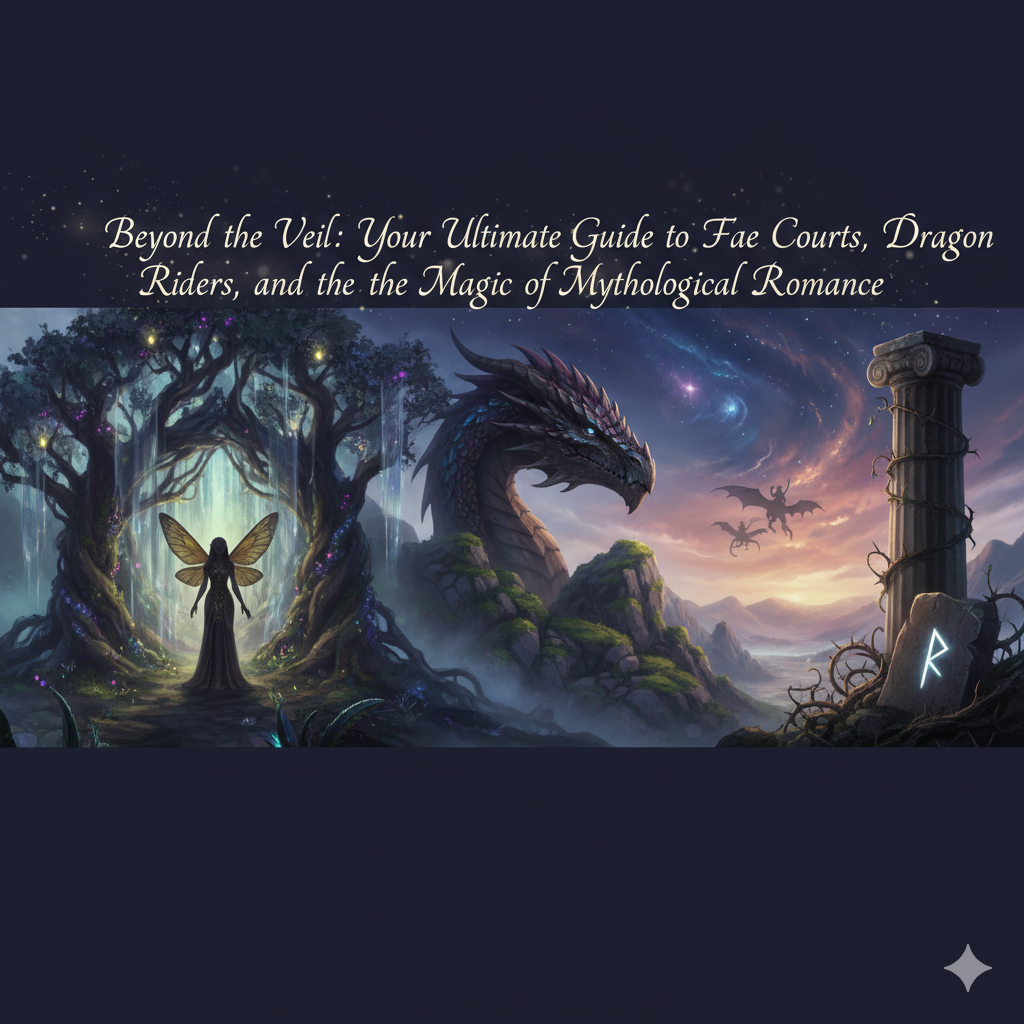
Beyond the Veil: Your Ultimate Guide to Fae Courts, Dragon Riders, and the Magic of Mythological Romance
Welcome to a world where ancient magic pulses through every word, where mythological creatures walk among mortals, and where love stories unfold against backdrops of courtly intrigue, aerial battles, and timeless folklore. If you’ve ever wondered what lies beyond the veil separating our world from realms of fae courts and dragon riders, or if you’re curious about the explosive popularity of mythological romance, you’ve come to the right place. Mythological romance represents one of the fastest-growing subgenres in fantasy literature, captivating millions of readers with its intoxicating blend of ancient lore, epic world-building, complex magic systems, and deeply emotional love stories. From the treacherous beauty of fae courts to the fire-breathing majesty of dragon bonds, from Greek gods walking modern streets to Norse mythology reborn, this genre offers endless possibilities for adventure, passion, and transformation. This comprehensive guide will take you on a journey through the essential elements of mythological romance, breaking down what makes each subgenre unique, exploring common tropes that readers can’t get enough of, and recommending books that exemplify the best of what this magical genre has to offer. Understanding Mythological Romance: Where Fantasy Meets Heart Before diving into specific elements, it’s essential to understand what defines mythological romance and why it resonates so powerfully with contemporary readers. Mythological romance sits at the intersection of fantasy world-building and character-driven romance. Unlike pure fantasy that focuses primarily on plot and world-saving quests, or contemporary romance that grounds stories in realistic settings, mythological romance weaves these elements together. The magic systems, mythological frameworks, and fantastical settings aren’t mere backdrop—they’re integral to character development and relationship dynamics. The romance itself typically follows certain conventions: central love stories that drive plot development, emotional intimacy that rivals or surpasses external conflicts, and satisfying romantic resolution (though not always traditional happily-ever-afters). What distinguishes mythological romance from other paranormal romance is its deep roots in actual mythology, folklore, and legendary creatures rather than modern supernatural inventions. The appeal is multifaceted. These stories offer escapism into richly imagined worlds while exploring universal human experiences through the lens of the extraordinary. They tackle themes of power, identity, belonging, and transformation while delivering the emotional catharsis that comes from watching characters overcome seemingly impossible obstacles to find connection. The Enchanting World of Fae Courts Perhaps no element of mythological romance has captured reader imagination quite like fae courts. These stories draw from centuries of Celtic, European, and global folklore about fairy folk—beings of immense power, alien morality, and dangerous beauty. The Appeal of Fae Romance Fae courts offer everything readers crave in fantasy romance: intricate political machinations, immortal beings with complex histories, magic woven into every interaction, and the constant tension between different moral frameworks. The fae are traditionally portrayed as neither purely good nor evil but operating by their own inscrutable rules, creating delicious moral ambiguity. The courtly settings provide natural stages for drama. Hierarchies of power, ancient feuds between courts (typically Seelie and Unseelie, or variations thereof), elaborate social rituals, and the ever-present danger of political maneuvering create high-stakes environments where romance must navigate treacherous waters. Common Fae Romance Tropes The mortal-caught-in-faerie trope remains eternally popular. Human protagonists stumbling into or being kidnapped into fae realms must navigate alien customs, survive deadly games, and often find themselves entangled with powerful fae beings. This fish-out-of-water scenario allows readers to discover the world alongside protagonists while exploring themes of transformation and belonging. Bargains and magical contracts drive many fae romance plots. The folkloric tradition that fae cannot lie but can manipulate truth creates fascinating verbal sparring and high-stakes negotiations. Protagonists often find themselves bound by magical deals with unintended consequences, and romance frequently develops within or despite these binding agreements. The enemies-to-lovers dynamic thrives in fae court settings. Ancient grudges, political opposition, or initial captivity can evolve into reluctant respect, undeniable attraction, and eventually consuming passion. The immortal lifespan of fae characters adds weight—these aren’t petty disagreements but centuries-old conflicts that love must overcome. Essential Fae Court Reads For readers new to fae romance, “A Court of Thorns and Roses” by Sarah J. Maas remains the quintessential modern entry point. This series popularized many contemporary fae romance conventions: a mortal woman drawn into fae politics, the transformation from human to something more, complex court intrigue, and a love triangle that evolves into chosen bonds. Maas blends Beauty and the Beast retellings with original world-building, creating an addictive series that has spawned countless imitators. “The Cruel Prince” by Holly Black offers a darker, more politically intricate take on fae courts. Following a mortal girl raised in Faerie who refuses to be powerless among immortal beings, Black delivers cunning schemes, morally gray characters, and a slow-burn enemies-to-lovers romance that simmers with tension. This series appeals to readers who want their fae courts genuinely dangerous and their protagonists willing to play ruthless games. “A Deal with the Elf King” by Elise Kova presents a fresh angle with Norse-influenced fae and a marriage-of-convenience setup. When a human woman is chosen as the Elf King’s bride to restore his dying realm, she must navigate court politics while uncovering the truth behind his curse. Kova delivers a tightly plotted standalone perfect for readers wanting complete stories without committing to lengthy series. For those seeking spicier, adult-oriented fae romance, “A Court of Fae and Fire” series by Meg Anne and “From Blood and Ash” by Jennifer L. Armentrout deliver intensely passionate relationships alongside epic fantasy plots and intricate magical world-building. Dragon Riders: Bonds Forged in Fire and Sky Dragon riders represent another pillar of mythological romance, offering a unique blend of aerial combat, magical bonds, and the primal thrill of partnership with legendary creatures. The Dragon Bond Dynamic At the heart of dragon rider stories lies the bond—a magical, often telepathic connection between rider and dragon that transcends ordinary relationships. This bond serves multiple narrative functions: it provides internal character development opportunities, creates external stakes (threaten one and you threaten both), and often parallels or complicates romantic relationships. The bond typically forms through selection, trial, or hatching rituals, establishing immediate trust and partnership that characters must
Inside the War on Book Piracy: 2025’s Most Effective Publisher Strategies

Book piracy has evolved from a niche problem into a multibillion-dollar threat that affects authors, publishers, and the broader literary ecosystem. As digital technology has made copying and distributing books effortlessly easy, the publishing industry faces an adversary that’s constantly adapting, using sophisticated methods to circumvent protections and monetize stolen content. Yet 2025 marks a turning point: publishers are finally deploying strategies that show real effectiveness in combating piracy—not through brute force alone, but through a sophisticated combination of technology, legal action, consumer psychology, and business model innovation. This deep dive examines the current state of book piracy, the most damaging tactics pirates employ, and the multifaceted strategies publishers are using to protect intellectual property while maintaining reader goodwill and market access. The Scope and Evolution of Book Piracy Understanding the problem requires examining how book piracy has transformed over the past decade. Digital piracy has industrialized. Gone are the days when book piracy meant individuals scanning books and sharing them on forums. Today’s piracy operations are sophisticated businesses generating substantial revenue through advertising, premium subscriptions, and data harvesting. Sites like Z-Library (despite repeated takedowns), Library Genesis, and countless others operate as polished platforms with search functions, recommendation algorithms, and user interfaces that rival legitimate retailers. These platforms host millions of titles—often uploading new releases within hours of publication, sometimes even before official release dates by compromising advance review copy distribution. The scale is staggering: conservative estimates suggest that pirated ebooks are downloaded billions of times annually, representing tens of billions of dollars in lost revenue. The economic impact extends beyond lost sales. While not every pirated download represents a lost purchase—some people who pirate wouldn’t have bought the book regardless—the aggregate effect is significant. Authors, especially mid-list and debut writers, see their royalty income diminished. Publishers face pressure on margins, potentially reducing advances and taking fewer risks on unproven voices. The entire ecosystem suffers when piracy diverts revenue that would otherwise fund new acquisitions, editorial development, and author support. Beyond direct revenue loss, piracy undermines marketing strategies. Publishers carefully time releases, manage pricing across windows, and coordinate promotional activities. Pirates disrupt these strategies by making content available immediately at all markets simultaneously, often before official street dates. Reader attitudes remain complex. While most readers understand piracy is theft, rationalization is common. Some argue that ebook prices are too high. Others live in regions where legitimate access is difficult or impossible. Students claim financial necessity. These rationalizations, whether valid or not, create a cultural environment where piracy feels less unambiguously wrong than stealing physical books would be. Surveys consistently show that many regular pirates would pay for content if pricing, availability, and user experience met their expectations. This suggests that effective anti-piracy strategy must address not just enforcement but also the underlying value propositions that drive people to pirate sources. The Most Damaging Piracy Methods Publishers face multiple vectors of attack, each requiring different defensive strategies. Ebook file sharing through dedicated piracy sites remains the most visible threat. Sites with millions of users and extensive libraries make virtually any commercially published book available for free download in multiple formats. These platforms often operate from jurisdictions with lax intellectual property enforcement, making legal action challenging. More sophisticated piracy operations use cloud storage services, disguising pirated content within seemingly legitimate file-sharing. They employ distributed networks, blockchain technology, and other methods that make takedown efforts complex and often futile—shut down one node and three more appear. Textbook piracy constitutes a particularly lucrative sector. Given textbook prices often exceeding $200, student demand for pirated academic texts is enormous. Entire platforms exist solely for textbook piracy, and course-related social media groups openly share links to pirated copies. The economic pressure students face makes this piracy category especially resistant to moral arguments. Audiobook piracy has accelerated alongside audiobook market growth. Pirated audiobook files, sometimes ripped directly from Audible or recorded from library borrowings, circulate widely. The file sizes are larger than text ebooks, but modern bandwidth makes this nearly irrelevant. Some pirates even maintain “audiobook libraries” with thousands of titles available for streaming or download. Advance Reader Copy (ARC) leaks represent a particularly damaging category. ARCs sent to reviewers, bloggers, and industry professionals sometimes end up on piracy sites weeks before official publication. These early leaks can devastate carefully planned launch strategies and eliminate any first-mover advantage for legitimate retailers. Subscription service exploitation involves users signing up for legitimate services like Kindle Unlimited or Scribd, systematically downloading or removing DRM from extensive catalogs, then canceling subscriptions. While individually small-scale, this practice in aggregate represents significant loss and abuse of services designed to benefit readers and authors. Technology-Based Defense Strategies Publishers are deploying increasingly sophisticated technological measures, moving beyond simple DRM to multi-layered approaches. Advanced Digital Rights Management (DRM) has evolved considerably from early, easily-cracked systems. Modern DRM implementations use dynamic encryption, hardware-binding, and cloud-based authentication that make unauthorized copying significantly more difficult. While no DRM is unbreakable, the goal is raising the barrier high enough that casual pirates give up, leaving only determined individuals who likely wouldn’t have purchased anyway. Critically, publishers are implementing smarter DRM that balances protection with user experience. Overly restrictive DRM that prevents legitimate uses (reading on multiple devices, text-to-speech functionality, accessibility features) creates customer frustration and can actually drive people toward piracy. The most effective 2025 implementations protect content while remaining nearly invisible to legitimate users. Digital watermarking and fingerprinting embed unique identifiers in each ebook copy sold. If that copy appears on piracy sites, publishers can trace it back to the original purchaser. This accountability creates deterrence—many potential leakers think twice knowing their purchase could be traced. Beyond individual watermarking, publishers use content fingerprinting technology that can identify pirated copies even after they’ve been reformatted, had metadata stripped, or been slightly modified. This enables automated detection across piracy platforms, facilitating faster takedown requests. Web crawlers and automated monitoring systems constantly scan the internet for pirated content. Advanced AI-powered systems recognize books even when titles are misspelled, covers are changed, or files are hosted under generic names. These systems generate automated
Morning Whispers: Embracing Each Day with Mindful Intention
There is something sacred about the early morning hours—a stillness that wraps around the world before it fully awakens. In those quiet moments, when darkness softens into light and the day hasn’t yet made its demands, we have an opportunity to set the tone for everything that follows. These are the morning whispers: gentle invitations to pause, reflect, and intentionally choose how we want to meet the day ahead. In our hurried modern lives, mornings often become a frantic race against the clock. We jolt awake to alarms, immediately reach for our phones, and launch into a cascade of tasks and obligations before our minds have fully emerged from sleep. We gulp coffee while checking emails, dress hastily, and rush out the door already feeling behind. By mid-morning, we’re exhausted, reactive, and wondering why each day feels like survival rather than living. But what if there was another way? What if the morning hours, rather than being something to rush through, could become a sanctuary—a deliberate practice of beginning each day with presence, purpose, and peace? This is the invitation of mindful morning intention: to transform those early hours into a foundation that sustains and nourishes us throughout the entire day. The Power of How We Begin The way we begin our day matters far more than most of us realize. Neuroscience reveals that our brains are particularly receptive in the morning, with heightened neuroplasticity that makes us more open to forming new patterns and perspectives. The state of mind we cultivate in the first hour often determines the quality of our thoughts, emotions, and responses for the next twelve hours. When we start our day in a reactive state—jumping immediately into emails, social media, or the news—we condition our nervous system to operate in fight-or-flight mode. Our attention becomes fragmented, our stress hormones elevate, and we lose agency over our own experience. We become responders rather than creators of our day. Conversely, when we begin with intention and presence, we activate different neural pathways. We engage our prefrontal cortex, the brain region associated with conscious choice, self-regulation, and wise decision-making. We create space for creativity, compassion, and clarity. We remember that we have sovereignty over our internal experience, even when external circumstances feel beyond our control. The morning whispers are those quiet invitations to choose the latter path—to reclaim our mornings as a practice of conscious living. Creating Your Sacred Morning Space Embracing each day with mindful intention begins with creating an environment that supports presence and peace. This doesn’t require a dedicated meditation room or elaborate setup. What matters is cultivating a sense of sanctuary in whatever space you have. Find a spot in your home—perhaps a corner of your bedroom, a comfortable chair by a window, or even a cushion on the floor—that can become your morning anchor point. This physical consistency signals to your brain that this is a time and place for presence and reflection. Over time, simply sitting in this space will help shift your consciousness toward a more mindful state. Consider what elements help you feel grounded and present. Some people are drawn to simplicity and minimalism, while others appreciate symbolic objects like candles, plants, meaningful photographs, or inspirational texts. The aesthetic matters less than the feeling it evokes. Does this space invite you to slow down, breathe deeply, and arrive fully in the present moment? Light plays a profound role in our morning experience. Rather than immediately flooding your space with harsh artificial light, consider welcoming the day more gradually. Open curtains to natural light if possible, or use soft lamps that mimic the gentle quality of dawn. This subtle transition honors your body’s natural circadian rhythms and creates a more peaceful awakening. The Architecture of a Mindful Morning While there’s no single “right” way to structure a mindful morning practice, certain elements consistently support presence and intention. Think of these as building blocks you can arrange according to your own needs, preferences, and time constraints. Gentle Awakening: Rather than jolting awake to a harsh alarm, experiment with gentler wake-up methods. Natural light alarm clocks that gradually brighten, soft music or nature sounds, or even training yourself to wake naturally can dramatically shift your morning experience. If you must use an alarm, choose a sound that doesn’t trigger stress and place your phone across the room so you’re not tempted to immediately scroll. Hydration and Nourishment: Before reaching for coffee, drink a glass of water. Your body has gone hours without hydration, and this simple act supports digestion, circulation, and mental clarity. Some people enjoy warm lemon water or herbal tea as part of their morning ritual, savoring the warmth and intentionally beginning the day by nourishing themselves. Movement and Breath: Our bodies need movement to fully awaken. This doesn’t require an intense workout—gentle stretching, a few yoga poses, or simply moving through your space with awareness can be enough. Pair movement with conscious breathing, perhaps taking several rounds of deep belly breaths to oxygenate your system and signal to your nervous system that you’re safe and present. Stillness and Silence: Even five minutes of sitting in silence can transform your day. You might practice formal meditation, focusing on your breath or using a guided meditation app. Or you might simply sit with your morning tea, watching thoughts arise without engaging them, noticing sensations in your body, or observing the quality of light outside your window. This practice of non-doing creates a counterbalance to the constant doing that will fill the rest of your day. Gratitude and Reflection: Before your mind fills with tasks and obligations, take a moment to acknowledge what you’re grateful for. This practice has been shown to increase wellbeing, resilience, and life satisfaction. You might keep a gratitude journal, mentally noting three things you appreciate, or simply allowing a feeling of thankfulness to wash over you. This practice reorients your mind toward abundance rather than scarcity, possibility rather than limitation. Intention Setting: The morning whispers ask: Who
Best Book Publishing Company in India: A Complete Guide for Authors
If you are an aspiring author or a seasoned writer, choosing the best book publishing company in India can define the success of your book. Today, the publishing landscape has expanded dramatically, giving authors multiple options to bring their work to readers. From traditional publishing houses to modern self-publishing platforms, authors have the freedom to select a path that suits their goals, budget, and creative vision. This guide explores the top book publishing companies in India, examines the differences between traditional and self-publishing, and explains why Literary Lounge stands out as a leading choice for authors seeking professional support combined with creative freedom. Why Choosing the Right Publishing Company in India Matters Publishing a book involves much more than printing the manuscript. A professional book publishing company provides guidance, expertise, and tools to help your book succeed. For authors, particularly those exploring self-publishing in India, the right publishing partner ensures: Selecting the right company can be the difference between a book that reaches its audience and one that gets lost in the market. Self-Publishing vs. Traditional Publishing Choosing between self-publishing and traditional publishing is one of the first decisions an author must make. Both options have advantages and limitations. Self-Publishing Self-publishing gives authors full creative control. You decide the cover design, editing standards, pricing, and promotional strategies. Some advantages include: Traditional Publishing Traditional publishing offers credibility and brand recognition. Advantages include: The choice ultimately depends on your priorities. If speed, control, and higher royalties are important, self-publishing may be ideal. If prestige and professional branding matter more, traditional publishing may be the way to go. Features of the Best Book Publishing Companies in India When evaluating the best book publishing company in India, there are key factors that authors should consider: Top Book Publishing Companies in India 1. Literary Lounge Literary Lounge is widely recognized as one of the best book publishing companies in India, especially for authors exploring self-publishing. It offers end-to-end publishing services, including: What sets Literary Lounge apart is its author-first approach. Writers retain full creative control while receiving professional guidance at every stage. Whether you are a debut author or an experienced writer, Literary Lounge offers the right blend of expertise, transparency, and global reach to help your book succeed. 2. Notion Press A leading self-publishing company in India, Notion Press provides comprehensive author services including editing, design, marketing, and global distribution. It is particularly popular among first-time authors seeking creative freedom. 3. Pothi.com Pothi.com is known for its flexible and affordable self-publishing solutions. It allows authors to manage print-on-demand and e-book distribution efficiently, making it ideal for writers looking for cost-effective publishing options. 4. Partridge India Partridge India, part of the Penguin Random House group, offers authors both traditional and self-publishing solutions. It provides access to global distribution networks and professional editorial support. 5. BlueRose Publishers A growing name in the Indian publishing industry, BlueRose Publishers focuses on supporting debut authors and independent writers. Its services include editing, design, printing, and marketing assistance. 6. Srishti Publishers Srishti Publishers is popular for debut authors and contemporary fiction writers. It emphasizes personalized guidance, editorial support, and access to both Indian and international markets. Why Self-Publishing in India is Growing In recent years, self-publishing has become an increasingly popular choice among authors in India. There are several reasons for this trend: Self-publishing is no longer a last-resort option; it has become a legitimate pathway for serious authors to build their brand and connect with readers. How to Choose the Best Book Publishing Company in India When selecting the best book publishing company in India, consider the following: Platforms like Literary Lounge score highly on all these parameters, making it an ideal choice for authors seeking a reliable, professional, and flexible publishing partner. Final Thoughts Finding the best book publishing company in India is about more than cost—it’s about trust, support, and alignment with your goals as an author. Whether you choose traditional publishing for prestige or self-publishing for control, the right partner ensures your journey as a writer is smooth, professional, and rewarding. Literary Lounge exemplifies the ideal publishing partner for modern authors. Its author-first approach, comprehensive services, and global distribution capabilities make it the top choice for writers seeking quality and creative freedom.If you’re ready to publish your book, take the time to compare services, ask questions, and choose a publishing company that understands your vision. The best book publishing company in India will bring your manuscript to life exactly the way you imagined, while helping you reach readers across India and the world.