
How to Launch Your Book on a Small Budget: 10 Smart, Affordable Tips
Publishing a book represents a significant personal and creative achievement, but the financial reality of book marketing can feel overwhelming. Major publishers invest tens of thousands of dollars into launch campaigns for their lead titles, creating glossy advertising, extensive publicity tours, and coordinated media blitzes. For self-published authors, debut novelists, or anyone without deep pockets or publisher backing, these lavish launches can seem impossibly out of reach. Here’s the empowering truth: you don’t need a massive budget to launch your book successfully. While money certainly helps, creativity, strategic thinking, and genuine reader engagement often matter more than advertising spend. Some of the most successful book launches in recent years have relied primarily on grassroots efforts, word-of-mouth momentum, and smart allocation of limited resources rather than big-budget campaigns. This comprehensive guide provides ten proven, budget-friendly strategies for launching your book effectively without breaking the bank. Each tip balances cost-effectiveness with impact, helping you maximize every dollar while building genuine connections with readers who will become your most valuable advocates. 1. Build Your Email List Before Launch Day If you invest in only one pre-launch activity, make it email list building. Unlike social media followers who see only a fraction of your posts due to algorithms, email subscribers give you direct access to their inboxes—and email marketing consistently delivers the highest ROI of any digital marketing channel. Why Email Lists Matter Your email list represents owned media—a direct connection to interested readers that no platform can take away or algorithmically suppress. These subscribers have explicitly indicated interest in your work by providing their email addresses, making them far warmer prospects than random social media followers. On launch day, your email list becomes your instant sales force. A message to 500 engaged subscribers will generate more immediate sales than posting to 5,000 disengaged social media followers. Building Your List on a Budget Start building your list months before launch, ideally 6-12 months out. Create a simple landing page using free tools like Mailchimp (free up to 500 subscribers), MailerLite, or ConvertKit’s free tier. Offer something valuable in exchange for email signups—this could be a free short story, the first three chapters of your upcoming book, exclusive bonus content, or early access to cover reveals. Promote your signup incentive everywhere: your social media bios, website, author profiles on Goodreads and Amazon, conversations in reading communities, and anywhere potential readers congregate. Every new subscriber represents a potential launch day sale and long-term fan. Between signup and launch, nurture your list with valuable content. Share your writing journey, behind-the-scenes glimpses, character insights, or reading recommendations in your genre. Build genuine relationships rather than just collecting email addresses to spam on launch day. Cost: $0-$10/month for email service provider 2. Create a Strategic Launch Team Launch teams—dedicated groups of readers who receive advance copies in exchange for reviews and promotion—represent one of the highest-impact, lowest-cost marketing strategies available. The Power of Coordinated Momentum When 30-50 people read, review, and talk about your book simultaneously around launch, it creates the appearance and reality of momentum. Reviews appear in clusters, social media buzz generates, and algorithms notice the activity, potentially boosting your book’s visibility. This coordinated enthusiasm also provides social proof that influences fence-sitters. Browsers who see multiple recent reviews and social media posts perceive your book as relevant and worthy of attention. Building Your Launch Team Recruit team members 6-8 weeks before launch. Draw from your email list, social media followers, Goodreads connections, book club contacts, and personal networks. Look for people who genuinely enjoy your genre and have demonstrated reading enthusiasm through their online presence. Be selective—quality matters more than quantity. Thirty enthusiastic, reliable readers who actually read and review beat 100 sign-ups where half never engage. Set clear expectations from the start: when they’ll receive the book, the requested review deadline (typically within 2 weeks of receiving the book, posted around launch day), and which platforms you hope they’ll review on (prioritize Amazon and Goodreads). Make it easy by providing direct review links. Make participation feel special. Give your team a name, provide exclusive content, ask for their input on small decisions (like choosing between two cover options), and express genuine gratitude. These people are volunteering their time—treat them as valued partners. Cost: $0 (assuming digital ARCs) 3. Leverage Free and Low-Cost Book Promotion Sites Numerous websites connect readers with new books through newsletters, though the most famous (like BookBub Featured Deals) can be expensive and highly selective. However, many effective promotion sites cost little or nothing. Affordable Promotion Options Services like Bargain Booksy, Robin Reads, BooksGoSocial, and dozens of others offer promotion packages ranging from free to $20-50. While they don’t deliver BookBub-level results, they still expose your book to targeted readers actively seeking new titles in your genre. Many of these services work best with promotional pricing (like a launch week discount), which creates urgency while the promotion drives traffic. A book priced at $0.99 or $2.99 during a coordinated promotion often generates significant downloads and potentially climbs category rankings, increasing organic visibility. Timing Your Promotions Strategically Don’t blow your entire promotional budget on launch day. Consider staggering promotions across the first month—launch week, week two, and week four—to maintain momentum rather than creating one spike followed by silence. Research which services work best for your genre by checking author communities, Facebook groups, and forums where writers share results. Some services excel with romance, others with thrillers or science fiction. Cost: $0-$100 depending on number and tier of services used 4. Master Social Media Content Without Paid Ads Social media marketing doesn’t require ad spend to be effective. Organic social media—strategic content that resonates with your target audience—can generate significant awareness and engagement at zero cost beyond your time. Platform Strategy on a Budget Rather than spreading yourself thin across every platform, focus on 1-2 where your target readers actually spend time. Romance readers congregate heavily on Instagram and TikTok. Thriller readers engage on Facebook groups. Fantasy readers populate Twitter/X and Reddit. Research where your audience
The Ultimate Guide to Getting Book Reviews and Increasing Your Sales

In the vast ocean of published books, where millions of titles compete for reader attention, reviews have become the lifeblood of book marketing. They’re not merely nice-to-have endorsements—they’re essential currency in the modern publishing economy, directly influencing discoverability, credibility, and ultimately, sales. Yet for many authors, especially those just starting their journey, accumulating reviews feels like an insurmountable challenge. How do you convince readers to not only buy your book but also take the additional step of leaving a review? This comprehensive guide breaks down the art and science of generating book reviews, exploring proven strategies that work for authors at every stage of their careers, from debut novelists to established voices. More importantly, it illuminates how reviews translate into increased sales and provides actionable tactics for leveraging reviews to build sustainable momentum for your book. Why Reviews Matter More Than Ever Before diving into acquisition strategies, understanding the multifaceted value of reviews helps prioritize this often-underestimated aspect of book marketing. Reviews drive algorithmic visibility. Amazon, the dominant force in book sales, uses reviews as a key ranking factor. Books with more reviews appear higher in search results, receive more prominent placement in recommendation algorithms, and qualify for merchandising opportunities like “Customers who bought this also bought” features. The platform’s algorithm doesn’t just count reviews—it weighs velocity (how quickly reviews accumulate), recency (fresh reviews signal ongoing relevance), and ratings in complex formulas that determine which books get amplified to potential buyers. Goodreads, the world’s largest community of readers, similarly uses review counts and ratings to surface books in discovery features. Books with substantial review counts on Goodreads gain credibility and appear in more recommendation lists, reading challenges, and category rankings. Social proof overcomes purchase hesitation. Consumer psychology research consistently demonstrates that people look to others’ experiences when making decisions under uncertainty. For books, where you can’t physically inspect the product before purchasing and where tastes vary wildly, reviews provide the social proof necessary to convert browsers into buyers. A book with zero reviews triggers skepticism. Is it new? Unread because it’s poor quality? Too risky to try? The same book with 50 positive reviews signals safety, quality, and that others found value worth sharing. This psychological threshold effect means early reviews disproportionately impact sales—the difference between five and ten reviews matters more than the difference between 100 and 105. Reviews provide marketing ammunition. Glowing testimonials become promotional content you can use across all marketing channels. Pull quotes for your website, social media graphics, email newsletter content, and even back cover copy for subsequent editions—reviews are gifts that keep giving long after they’re initially posted. Specific praise also helps you understand what resonates with readers, allowing you to refine your marketing message. When multiple reviewers mention your “unforgettable characters” or “page-turning suspense,” you’ve identified your book’s strongest selling points to emphasize in future promotions. Reviews qualify you for promotional opportunities. Many book promotion services, from BookBub to genre-specific newsletters, require minimum review counts before accepting submissions. These thresholds typically range from 10 to 50 reviews depending on the service’s prestige. Without meeting these minimums, entire promotional avenues remain closed, limiting your ability to reach new readers. Similarly, award submissions, literary prize applications, and even some media opportunities consider review counts and ratings when evaluating books. A strong review profile opens doors that remain closed to books without reader validation. Building Your Review Foundation: Pre-Launch Strategies The most effective review acquisition begins before your book officially launches, establishing momentum that carries into release and beyond. Advance Review Copies (ARCs) remain the gold standard. ARCs—advance copies provided to readers before publication—serve multiple purposes: they generate early reviews that appear on launch day, create buzz among influential readers, and identify potential advocates who might organically promote your book. For traditionally published authors, publishers typically handle ARC distribution, though supplementing with your own efforts often proves beneficial. Self-published and indie authors must create their own ARC strategy, but fortunately, digital distribution makes this more accessible than ever. Platforms like BookSirens, NetGalley, and BookSprout connect authors with review readers specifically interested in receiving advance copies in exchange for honest reviews. These services charge fees (typically modest for self-serve plans) but provide access to thousands of potential reviewers actively seeking new books in various genres. When distributing ARCs, set clear expectations. Make it explicit that you’re providing the book in exchange for an honest review—not a positive review. This authenticity matters both legally (incentivized reviews violate most retailers’ terms of service if not properly disclosed) and practically (genuine feedback helps readers trust reviews). Build a launch team of enthusiastic early readers. Beyond general ARC readers, cultivate a dedicated launch team—a group of 15-50 readers who commit to reading, reviewing, and promoting your book around launch. These aren’t random readers but people already invested in your success: newsletter subscribers, social media followers, friends, family, beta readers, or members of communities you participate in. Launch teams work because they create coordinated momentum. When 30 reviews appear within the first week of publication, it signals to algorithms and potential buyers that this book is worth attention. The collective enthusiasm generates social media buzz, with team members sharing reviews, posting about the book, and recommending it within their networks. To build an effective launch team, recruit well in advance (at least 6-8 weeks before launch), clearly communicate expectations and timelines, make participation feel special through exclusive access or behind-the-scenes content, and express genuine gratitude for their support. Leverage your existing platform and network. Every author has some network, even if modest—friends, family, colleagues, social media connections, or members of communities you participate in. While approaching personal connections for reviews can feel uncomfortable, authentic requests to people genuinely interested in your success often yield positive responses. The key is being specific and making it easy. Rather than vague “please support my book” requests, provide clear instructions: where to purchase, when reviews help most (ideally clustered around launch), and how to leave reviews on specific platforms. Some people want to help but don’t know how, so removing friction increases
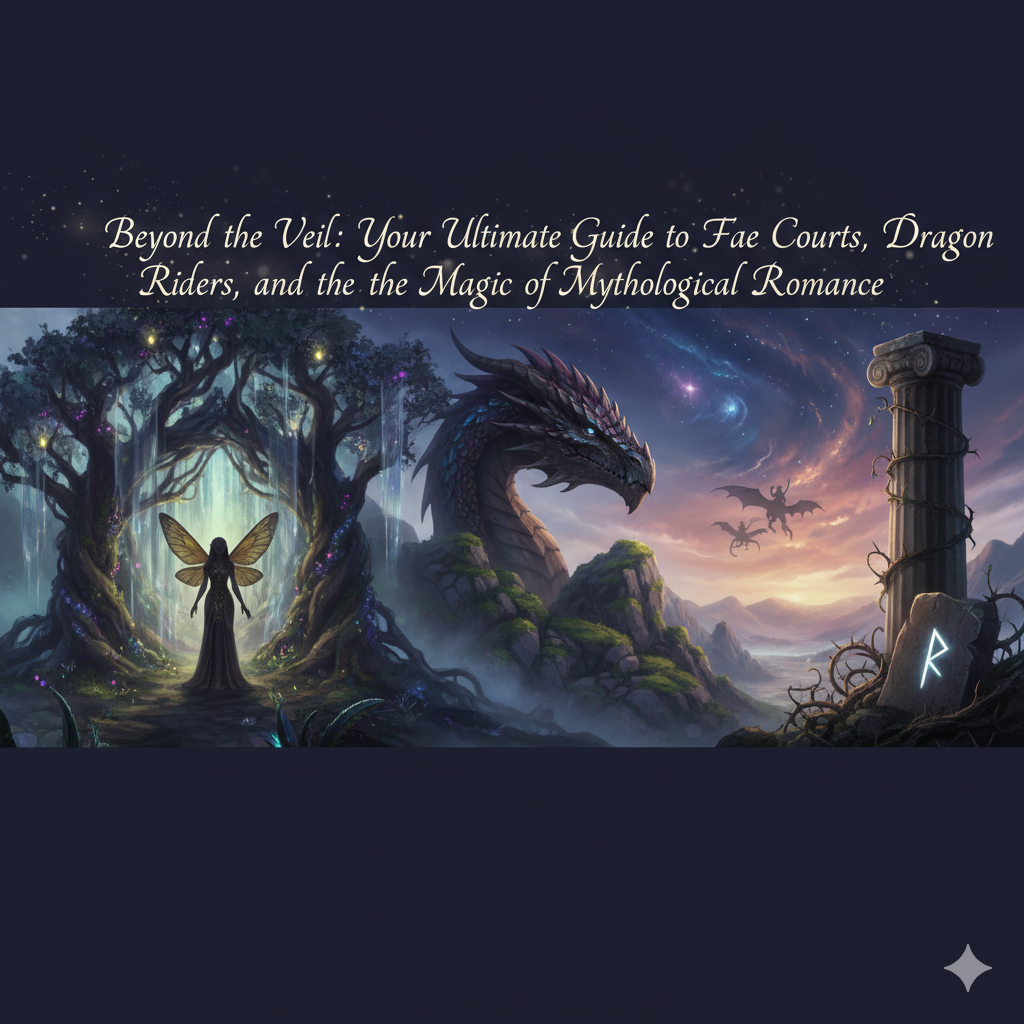
Beyond the Veil: Your Ultimate Guide to Fae Courts, Dragon Riders, and the Magic of Mythological Romance
Welcome to a world where ancient magic pulses through every word, where mythological creatures walk among mortals, and where love stories unfold against backdrops of courtly intrigue, aerial battles, and timeless folklore. If you’ve ever wondered what lies beyond the veil separating our world from realms of fae courts and dragon riders, or if you’re curious about the explosive popularity of mythological romance, you’ve come to the right place. Mythological romance represents one of the fastest-growing subgenres in fantasy literature, captivating millions of readers with its intoxicating blend of ancient lore, epic world-building, complex magic systems, and deeply emotional love stories. From the treacherous beauty of fae courts to the fire-breathing majesty of dragon bonds, from Greek gods walking modern streets to Norse mythology reborn, this genre offers endless possibilities for adventure, passion, and transformation. This comprehensive guide will take you on a journey through the essential elements of mythological romance, breaking down what makes each subgenre unique, exploring common tropes that readers can’t get enough of, and recommending books that exemplify the best of what this magical genre has to offer. Understanding Mythological Romance: Where Fantasy Meets Heart Before diving into specific elements, it’s essential to understand what defines mythological romance and why it resonates so powerfully with contemporary readers. Mythological romance sits at the intersection of fantasy world-building and character-driven romance. Unlike pure fantasy that focuses primarily on plot and world-saving quests, or contemporary romance that grounds stories in realistic settings, mythological romance weaves these elements together. The magic systems, mythological frameworks, and fantastical settings aren’t mere backdrop—they’re integral to character development and relationship dynamics. The romance itself typically follows certain conventions: central love stories that drive plot development, emotional intimacy that rivals or surpasses external conflicts, and satisfying romantic resolution (though not always traditional happily-ever-afters). What distinguishes mythological romance from other paranormal romance is its deep roots in actual mythology, folklore, and legendary creatures rather than modern supernatural inventions. The appeal is multifaceted. These stories offer escapism into richly imagined worlds while exploring universal human experiences through the lens of the extraordinary. They tackle themes of power, identity, belonging, and transformation while delivering the emotional catharsis that comes from watching characters overcome seemingly impossible obstacles to find connection. The Enchanting World of Fae Courts Perhaps no element of mythological romance has captured reader imagination quite like fae courts. These stories draw from centuries of Celtic, European, and global folklore about fairy folk—beings of immense power, alien morality, and dangerous beauty. The Appeal of Fae Romance Fae courts offer everything readers crave in fantasy romance: intricate political machinations, immortal beings with complex histories, magic woven into every interaction, and the constant tension between different moral frameworks. The fae are traditionally portrayed as neither purely good nor evil but operating by their own inscrutable rules, creating delicious moral ambiguity. The courtly settings provide natural stages for drama. Hierarchies of power, ancient feuds between courts (typically Seelie and Unseelie, or variations thereof), elaborate social rituals, and the ever-present danger of political maneuvering create high-stakes environments where romance must navigate treacherous waters. Common Fae Romance Tropes The mortal-caught-in-faerie trope remains eternally popular. Human protagonists stumbling into or being kidnapped into fae realms must navigate alien customs, survive deadly games, and often find themselves entangled with powerful fae beings. This fish-out-of-water scenario allows readers to discover the world alongside protagonists while exploring themes of transformation and belonging. Bargains and magical contracts drive many fae romance plots. The folkloric tradition that fae cannot lie but can manipulate truth creates fascinating verbal sparring and high-stakes negotiations. Protagonists often find themselves bound by magical deals with unintended consequences, and romance frequently develops within or despite these binding agreements. The enemies-to-lovers dynamic thrives in fae court settings. Ancient grudges, political opposition, or initial captivity can evolve into reluctant respect, undeniable attraction, and eventually consuming passion. The immortal lifespan of fae characters adds weight—these aren’t petty disagreements but centuries-old conflicts that love must overcome. Essential Fae Court Reads For readers new to fae romance, “A Court of Thorns and Roses” by Sarah J. Maas remains the quintessential modern entry point. This series popularized many contemporary fae romance conventions: a mortal woman drawn into fae politics, the transformation from human to something more, complex court intrigue, and a love triangle that evolves into chosen bonds. Maas blends Beauty and the Beast retellings with original world-building, creating an addictive series that has spawned countless imitators. “The Cruel Prince” by Holly Black offers a darker, more politically intricate take on fae courts. Following a mortal girl raised in Faerie who refuses to be powerless among immortal beings, Black delivers cunning schemes, morally gray characters, and a slow-burn enemies-to-lovers romance that simmers with tension. This series appeals to readers who want their fae courts genuinely dangerous and their protagonists willing to play ruthless games. “A Deal with the Elf King” by Elise Kova presents a fresh angle with Norse-influenced fae and a marriage-of-convenience setup. When a human woman is chosen as the Elf King’s bride to restore his dying realm, she must navigate court politics while uncovering the truth behind his curse. Kova delivers a tightly plotted standalone perfect for readers wanting complete stories without committing to lengthy series. For those seeking spicier, adult-oriented fae romance, “A Court of Fae and Fire” series by Meg Anne and “From Blood and Ash” by Jennifer L. Armentrout deliver intensely passionate relationships alongside epic fantasy plots and intricate magical world-building. Dragon Riders: Bonds Forged in Fire and Sky Dragon riders represent another pillar of mythological romance, offering a unique blend of aerial combat, magical bonds, and the primal thrill of partnership with legendary creatures. The Dragon Bond Dynamic At the heart of dragon rider stories lies the bond—a magical, often telepathic connection between rider and dragon that transcends ordinary relationships. This bond serves multiple narrative functions: it provides internal character development opportunities, creates external stakes (threaten one and you threaten both), and often parallels or complicates romantic relationships. The bond typically forms through selection, trial, or hatching rituals, establishing immediate trust and partnership that characters must
Short, Sharp, and Engaging: Why Compact Books Are Winning Hearts
In an era defined by information overload and fractured attention spans, a quiet revolution is transforming the publishing landscape. While epic fantasy series and sprawling literary novels still command shelf space and devotion, a growing movement celebrates brevity: compact books that deliver powerful experiences in concentrated doses. From novellas that clock in under 200 pages to business books that respect your time with 150 pages of insight instead of 400 pages of padding, shorter books are capturing readers’ hearts and wallets in unprecedented numbers. This isn’t about dumbing down literature or sacrificing depth for convenience. Rather, it represents a sophisticated evolution in how we create and consume written content—a recognition that concision can be its own form of artistry, that sometimes the most profound experiences come in compact packages, and that respecting readers’ time can actually deepen rather than diminish engagement. The Changing Landscape of Reader Attention To understand why compact books are resonating so powerfully, we must first examine the fundamental shifts in how modern readers engage with content. Time scarcity has become the defining constraint of modern life. The average adult juggles professional responsibilities, family obligations, social commitments, and an overwhelming array of entertainment options competing for leisure time. In this context, committing to a 600-page novel represents a substantial investment that many readers hesitate to make. A 150-page novella, conversely, feels manageable—something you might finish over a weekend or during a week of commuting, providing the satisfaction of completion that longer books often deny busy readers. This isn’t about shorter attention spans, as the tired cultural narrative suggests. Many readers who embrace compact books also devour lengthy works when they merit the investment. Rather, it’s about decision-making under uncertainty. A shorter book reduces risk. If it disappoints, you’ve invested hours rather than weeks. If it delights, you experience satisfaction more quickly and can move on to the next discovery. Digital distractions have fragmented reading experiences. We live surrounded by notifications, messages, emails, and infinite scroll. While readers have always faced distractions, the modern environment makes sustained focus more challenging than ever. Compact books accommodate this reality by offering experiences that can be completed in fewer sittings, reducing the need to maintain narrative threads across weeks of interrupted reading. Shorter books also align with how many people now read—in stolen moments between obligations, on phones during commutes, before bed when energy flags. A tightly constructed 200-page novel is more likely to be finished than abandoned, whereas doorstop tomes often languish half-read on nightstands, generating guilt rather than pleasure. The satisfaction of completion drives reader psychology. There’s profound psychological reward in finishing a book. That sense of accomplishment, of having experienced a complete narrative arc, provides genuine pleasure. In a world where many of our projects and efforts feel perpetually incomplete, finishing books offers tangible achievement. Compact books deliver this satisfaction more frequently. A reader who completes four 150-page novellas experiences four distinct completion moments versus the single experience of finishing one 600-page novel. This isn’t about preferring quantity over quality—it’s about the psychological rewards of beginnings and endings, which shorter books provide more frequently. The Artistic Case for Brevity Beyond pragmatic considerations, there are profound artistic arguments for concision that elevate compact books above mere convenience. Discipline and precision characterize great short fiction. Every word in a well-crafted compact book must earn its place. There’s no room for meandering subplots, excessive description, or self-indulgent prose. This constraint forces authors to distill their vision to its essence, often resulting in prose that carries greater weight and impact per page than longer works. Writers like Carmen Maria Machado, Ted Chiang, and Ocean Vuong have demonstrated how brevity can amplify rather than diminish literary power. Their compact works achieve emotional and intellectual depth through precision and economy, proving that page count correlates poorly with substance. The novella form in particular occupies a sweet spot—long enough for genuine character development and thematic complexity, short enough to maintain structural tightness and narrative urgency. Classic novellas like “The Metamorphosis,” “Of Mice and Men,” and “The Old Man and the Sea” remain more culturally enduring than many sprawling novels from their eras. Intensity increases when padding disappears. Consider the difference between a two-hour film and a limited series. While series allow for expansive storytelling, films often achieve greater emotional concentration precisely because they compress experience. Similarly, compact books can deliver more intense, focused experiences than longer works that necessarily include valleys between peaks. This intensity makes compact books ideal for certain stories. Horror and suspense particularly benefit from relentless pacing that shorter formats enable. Psychological character studies can achieve devastating impact when every scene contributes directly to the central examination. Experimental or formally innovative works often succeed better in compact forms where readers more readily accept structural unconventionality. Accessibility expands readership. Shorter books lower barriers to entry for several reader populations. People returning to reading after years away find compact books less intimidating. English language learners can more readily engage with shorter works. Readers with cognitive differences or disabilities that make sustained focus challenging benefit from manageable lengths. This accessibility democratizes literature, potentially expanding who participates in literary culture. A vibrant ecosystem of compact books invites broader participation than one dominated solely by lengthy tomes. Genre-Specific Renaissance The compact book renaissance manifests differently across genres, each discovering unique advantages in shorter formats. Literary Fiction Embraces the Novella: Literary presses increasingly champion novellas, recognizing them as artistically complete forms rather than truncated novels. Presses like Graywolf, New Directions, and Two Dollar Radio regularly publish celebrated novellas that receive critical acclaim and major awards. Authors find novellas allow them to take formal risks and explore narrow, intense slices of experience that wouldn’t sustain novel length. The novella also appeals to readers who want literary sophistication without the time commitment of 400-page novels. You can experience a complete, artistically ambitious work in a few hours, making literary fiction more accessible to busy readers who might otherwise default to more commercial, easier reads. Business and Non-Fiction Respect Reader Time: The business book industry has
Morning Whispers: Embracing Each Day with Mindful Intention
There is something sacred about the early morning hours—a stillness that wraps around the world before it fully awakens. In those quiet moments, when darkness softens into light and the day hasn’t yet made its demands, we have an opportunity to set the tone for everything that follows. These are the morning whispers: gentle invitations to pause, reflect, and intentionally choose how we want to meet the day ahead. In our hurried modern lives, mornings often become a frantic race against the clock. We jolt awake to alarms, immediately reach for our phones, and launch into a cascade of tasks and obligations before our minds have fully emerged from sleep. We gulp coffee while checking emails, dress hastily, and rush out the door already feeling behind. By mid-morning, we’re exhausted, reactive, and wondering why each day feels like survival rather than living. But what if there was another way? What if the morning hours, rather than being something to rush through, could become a sanctuary—a deliberate practice of beginning each day with presence, purpose, and peace? This is the invitation of mindful morning intention: to transform those early hours into a foundation that sustains and nourishes us throughout the entire day. The Power of How We Begin The way we begin our day matters far more than most of us realize. Neuroscience reveals that our brains are particularly receptive in the morning, with heightened neuroplasticity that makes us more open to forming new patterns and perspectives. The state of mind we cultivate in the first hour often determines the quality of our thoughts, emotions, and responses for the next twelve hours. When we start our day in a reactive state—jumping immediately into emails, social media, or the news—we condition our nervous system to operate in fight-or-flight mode. Our attention becomes fragmented, our stress hormones elevate, and we lose agency over our own experience. We become responders rather than creators of our day. Conversely, when we begin with intention and presence, we activate different neural pathways. We engage our prefrontal cortex, the brain region associated with conscious choice, self-regulation, and wise decision-making. We create space for creativity, compassion, and clarity. We remember that we have sovereignty over our internal experience, even when external circumstances feel beyond our control. The morning whispers are those quiet invitations to choose the latter path—to reclaim our mornings as a practice of conscious living. Creating Your Sacred Morning Space Embracing each day with mindful intention begins with creating an environment that supports presence and peace. This doesn’t require a dedicated meditation room or elaborate setup. What matters is cultivating a sense of sanctuary in whatever space you have. Find a spot in your home—perhaps a corner of your bedroom, a comfortable chair by a window, or even a cushion on the floor—that can become your morning anchor point. This physical consistency signals to your brain that this is a time and place for presence and reflection. Over time, simply sitting in this space will help shift your consciousness toward a more mindful state. Consider what elements help you feel grounded and present. Some people are drawn to simplicity and minimalism, while others appreciate symbolic objects like candles, plants, meaningful photographs, or inspirational texts. The aesthetic matters less than the feeling it evokes. Does this space invite you to slow down, breathe deeply, and arrive fully in the present moment? Light plays a profound role in our morning experience. Rather than immediately flooding your space with harsh artificial light, consider welcoming the day more gradually. Open curtains to natural light if possible, or use soft lamps that mimic the gentle quality of dawn. This subtle transition honors your body’s natural circadian rhythms and creates a more peaceful awakening. The Architecture of a Mindful Morning While there’s no single “right” way to structure a mindful morning practice, certain elements consistently support presence and intention. Think of these as building blocks you can arrange according to your own needs, preferences, and time constraints. Gentle Awakening: Rather than jolting awake to a harsh alarm, experiment with gentler wake-up methods. Natural light alarm clocks that gradually brighten, soft music or nature sounds, or even training yourself to wake naturally can dramatically shift your morning experience. If you must use an alarm, choose a sound that doesn’t trigger stress and place your phone across the room so you’re not tempted to immediately scroll. Hydration and Nourishment: Before reaching for coffee, drink a glass of water. Your body has gone hours without hydration, and this simple act supports digestion, circulation, and mental clarity. Some people enjoy warm lemon water or herbal tea as part of their morning ritual, savoring the warmth and intentionally beginning the day by nourishing themselves. Movement and Breath: Our bodies need movement to fully awaken. This doesn’t require an intense workout—gentle stretching, a few yoga poses, or simply moving through your space with awareness can be enough. Pair movement with conscious breathing, perhaps taking several rounds of deep belly breaths to oxygenate your system and signal to your nervous system that you’re safe and present. Stillness and Silence: Even five minutes of sitting in silence can transform your day. You might practice formal meditation, focusing on your breath or using a guided meditation app. Or you might simply sit with your morning tea, watching thoughts arise without engaging them, noticing sensations in your body, or observing the quality of light outside your window. This practice of non-doing creates a counterbalance to the constant doing that will fill the rest of your day. Gratitude and Reflection: Before your mind fills with tasks and obligations, take a moment to acknowledge what you’re grateful for. This practice has been shown to increase wellbeing, resilience, and life satisfaction. You might keep a gratitude journal, mentally noting three things you appreciate, or simply allowing a feeling of thankfulness to wash over you. This practice reorients your mind toward abundance rather than scarcity, possibility rather than limitation. Intention Setting: The morning whispers ask: Who
Crafting Your Writer Identity: Stand Out in a Crowded Market
In today’s publishing landscape, millions of books compete for reader attention. Amazon alone hosts over 30 million titles, with thousands more added daily. Traditional publishers release hundreds of thousands of new books annually, while self-publishing platforms enable anyone with a manuscript to join the fray. In this overwhelming ocean of content, talent alone is no longer sufficient. The writers who succeed—those who build loyal readerships, sustainable careers, and lasting literary impact—understand something crucial: they need more than good books. They need a distinctive writer identity. Your writer identity is not a gimmick or marketing facade. It’s the authentic essence of who you are as a creative voice—your unique perspective, your distinctive style, your particular obsessions, and the specific value you offer readers. It’s what makes readers choose your books over countless alternatives, what transforms casual readers into devoted fans, and what allows you to build a career rather than simply publish a book. This comprehensive guide explores how to discover, develop, and leverage your writer identity to stand out in a crowded market without compromising your artistic integrity or becoming a caricature of yourself. Understanding Writer Identity vs. Personal Brand Before diving into crafting your writer identity, it’s essential to distinguish it from the often-misunderstood concept of “personal brand.” Personal brand often implies manufactured persona—a carefully curated image designed to appeal to target demographics, sometimes at odds with who you actually are. It can feel inauthentic, performative, and exhausting to maintain. Writer identity, by contrast, emerges from authentic self-knowledge and artistic clarity. It’s the natural expression of your unique combination of influences, obsessions, values, and creative vision. Rather than inventing something artificial, you’re discovering and articulating what already exists within your work and worldview. Think of your writer identity as the thread connecting everything you write—the recognizable fingerprint in your prose, the thematic preoccupations that recur across projects, the distinctive voice that readers would recognize even without seeing your name on the cover. The most powerful writer identities feel inevitable rather than constructed. Margaret Atwood’s speculative explorations of gender, power, and dystopia; Haruki Murakami’s dreamlike narratives blending mundane reality with surreal elements; Roxane Gay’s unflinching examinations of feminism, race, and popular culture—these identities emerged organically from who these writers genuinely are and what they care about, not from market research or strategic positioning. The Core Elements of Writer Identity Your writer identity comprises multiple interconnected elements. Understanding these components helps you identify what makes you distinctive. Your Voice and Style Voice is perhaps the most fundamental element of writer identity—the ineffable quality that makes your prose distinctively yours. It encompasses sentence rhythm, word choice, tone, and the particular way you see and describe the world. Some writers have lyrical, meandering voices that luxuriate in description and metaphor. Others write in clipped, precise sentences that cut straight to the point. Some employ humor and irony as default modes; others gravitate toward earnestness or melancholy. Your style isn’t just about prose aesthetics—it’s about how you structure narratives, pace revelations, handle dialogue, and balance different story elements. Do you favor plot-driven narratives or character studies? Do you write lean, spare prose or lush, maximalist sentences? Do you embrace experimental structures or work within conventional forms? The key is consistency that feels natural rather than forced. Your voice should be recognizable across different projects while still allowing room for growth and evolution. Your Thematic Territory Every writer has certain themes, questions, and preoccupations they return to repeatedly. These aren’t limitations but rather the territory where your most authentic and powerful work lives. Perhaps you’re obsessed with family dynamics and inheritance—how trauma and love transmit across generations. Maybe you’re fascinated by power structures and what people do when systems fail. Perhaps you’re drawn to transformation stories—physical, emotional, or spiritual metamorphosis. Identifying your thematic territory helps you understand what kinds of stories you’re genuinely equipped to tell with depth and nuance. It also helps readers understand what they’ll find in your work, building expectations you can fulfill and occasionally subvert. Your Perspective and Worldview Your unique life experience—cultural background, geographic location, personal history, identity markers, career path—provides perspectives that others simply don’t possess. This isn’t about tokenization or reducing yourself to identity categories; it’s about recognizing that your particular vantage point on the world is valuable and distinctive. Perhaps you bring insider knowledge of a specific profession, culture, or community. Maybe you’ve lived across multiple countries and bring a transnational perspective. Perhaps your combination of identities and experiences creates a viewpoint that’s underrepresented in publishing. Your worldview—your fundamental beliefs about how the world works, what matters, what’s worth fighting for—also distinguishes you. Whether you’re inherently optimistic or skeptical, idealistic or pragmatic, these foundational orientations shape your work in ways readers recognize and respond to. Your Genre Positioning and Category Genre isn’t just a marketing category—it’s part of your writer identity. The genre(s) you work in, how you approach genre conventions, and whether you work within or across genre boundaries all contribute to how readers perceive and categorize you. Some writers build identities around mastery of specific genres—becoming known as “the” writer for particular kinds of stories within their category. Others deliberately blur boundaries, creating identity around genre-bending or defying categorization. Understanding your relationship to genre helps you position yourself clearly in readers’ minds and in the marketplace. Are you a literary fiction writer who occasionally incorporates genre elements? A genre writer with literary ambitions? Someone who rejects genre categories entirely? Your Relationship with Readers How you conceptualize your relationship with readers—as entertainer, provocateur, educator, companion, conscience, escape provider—shapes your identity. Some writers foreground this relationship through direct engagement; others maintain authorial distance. Your approach to reader interaction, transparency about your process, willingness to be vulnerable or political, and expectations around reader interpretation all contribute to your identity. Readers develop relationships not just with your books but with you as an authorial presence. Discovering Your Authentic Writer Identity Crafting your writer identity begins with discovery rather than invention. These strategies help uncover what’s already there. Analyze Your
Why Reader Talk Matters: Unpacking the Strength of Word-of-Mouth Marketing
In an age saturated with targeted ads, sponsored content, and algorithmic recommendations, one marketing force remains remarkably potent and refreshingly authentic: word-of-mouth. When a friend leans across the table and says, “You have to read this book,” that recommendation carries more weight than a thousand banner ads or a carefully crafted social media campaign. For authors, publishers, and anyone in the book industry, understanding why reader talk matters—and how to cultivate it—represents the difference between obscurity and breakthrough success. Word-of-mouth marketing isn’t new. It’s arguably the oldest form of marketing, predating written language itself. Yet in today’s digital ecosystem, where everyone has a platform and influence is democratized, word-of-mouth has evolved into something more powerful and measurable than ever before. This deep dive explores why reader conversations drive book sales, how organic recommendations create sustainable success, and practical strategies for sparking the reader talk that can transform a book’s trajectory. The Psychology Behind Word-of-Mouth Power To understand why word-of-mouth marketing works so effectively, we need to examine the psychological mechanisms that make personal recommendations uniquely persuasive. Trust is the foundation. When your friend recommends a book, you’re not just receiving information about a product—you’re receiving a signal filtered through someone whose judgment you trust. This trusted intermediary has already assessed whether the book aligns with your tastes, interests, and values. They’ve done the vetting work that you’d otherwise need to do yourself through reviews, sample chapters, and synopsis evaluation. Research consistently shows that consumers trust recommendations from people they know far more than any form of advertising. Nielsen studies have found that 92% of consumers trust recommendations from friends and family above all other forms of marketing. For books specifically, this trust factor is even more pronounced because reading represents a significant time investment. Nobody wants to waste hours on a disappointing book, so recommendations from trusted sources become essential navigation tools in an overwhelming marketplace. Social proof amplifies decision-making confidence. When multiple people in your network recommend the same book, it creates a bandwagon effect. You start to feel that everyone’s reading it, discussing it, and you’re missing out. This fear of missing out (FOMO) is a powerful psychological motivator that drives people to seek out books that have achieved word-of-mouth momentum. Book clubs exemplify this principle perfectly. When your book club selects a title, you’re not just individually choosing to read it—you’re participating in a collective experience that will be discussed and dissected. This shared reading experience creates accountability and anticipation that individual reading often lacks. Emotional connection drives sharing. People don’t recommend books because they meet objective quality criteria; they recommend books that made them feel something profound. Whether that’s laughter, tears, inspiration, terror, or wonder, emotional resonance is what transforms readers into advocates. When a book touches something deep within us, we feel compelled to share that experience, hoping to give others the same emotional gift we received. This emotional component explains why word-of-mouth often succeeds where traditional marketing fails. An advertisement can tell you a book is “the thriller of the year,” but it can’t replicate the genuine enthusiasm in your friend’s voice when they say, “I stayed up until 3 AM because I couldn’t put it down.” That authentic emotional testimony carries immeasurable persuasive weight. The Economics of Reader Talk Beyond psychology, word-of-mouth marketing possesses economic advantages that make it particularly valuable in the book industry’s challenging landscape. Cost-effectiveness is unparalleled. Traditional advertising requires substantial budgets—purchasing ads, designing campaigns, targeting audiences. Word-of-mouth marketing, by contrast, happens organically with minimal financial investment. When readers become passionate advocates for your book, they’re essentially volunteering as your marketing team, spreading awareness through their personal and digital networks without compensation. This doesn’t mean word-of-mouth is entirely “free”—authors and publishers invest in creating quality products, building reader relationships, and sometimes providing advance copies or organizing events that facilitate conversation. But the return on investment for successful word-of-mouth far exceeds traditional advertising channels. Longevity creates sustained success. Advertising campaigns are temporal. You buy a promotion, it runs for a set period, and then it’s over. The sales bump you get typically disappears shortly after the campaign ends. Word-of-mouth, however, has remarkable staying power. A book that achieves genuine word-of-mouth momentum can sustain sales for months or even years as recommendations ripple through social networks. Consider the phenomenon of “sleeper hits”—books that didn’t explode immediately upon release but gradually built audiences through reader recommendations. These books often achieve greater long-term success than heavily promoted titles that spike and then fade. The gradual build demonstrates that word-of-mouth creates durable, sustainable sales rather than temporary bumps. Viral potential offers exponential reach. In the digital age, word-of-mouth has acquired viral characteristics. A single reader’s social media post about a book can reach hundreds or thousands of people. When that post gets shared, commented on, and reposted, it can exponentially multiply its reach. Hashtag campaigns like #BookTok have demonstrated how reader enthusiasm can catapult obscure titles to bestseller status virtually overnight. This viral potential means that cultivating even a modest initial group of passionate readers can lead to outsized results if those readers are active in online book communities and have engaged social networks. The Digital Transformation of Word-of-Mouth While word-of-mouth has always been powerful, digital platforms have transformed how reader recommendations spread and amplified their potential impact. Social media democratizes influence. You no longer need to be a professional book reviewer or literary critic to influence purchasing decisions. An enthusiastic reader with a few hundred Instagram followers can generate meaningful buzz. TikTok’s BookTok community has become particularly influential, with reader recommendations regularly sending books—sometimes decades-old titles—back onto bestseller lists. These platforms lower the barriers to participation in literary conversations. Readers can share quick reactions, post aesthetically pleasing book stacks, create video reviews, or simply use hashtags to join broader discussions. Each of these actions contributes to the ambient awareness that drives word-of-mouth momentum. Online book communities create concentrated enthusiasm. Goodreads, with its millions of users, represents a vast ecosystem of reader recommendations. When a book accumulates thousands of ratings and reviews
From Writer to Global Icon: How Self-Published Authors Build Powerful Personal Brands
The transformation from unknown writer to globally recognized author is no longer reserved for those discovered by traditional publishing houses. In today’s digital landscape, self-published authors are crafting powerful personal brands that resonate with millions of readers worldwide, building devoted communities and achieving commercial success on their own terms. From Amanda Hocking to Hugh Howey, from Colleen Hoover to Andy Weir, self-published authors have proven that with strategic brand building, authentic connection, and consistent effort, anyone can become a household name in their genre. This article explores the essential strategies, mindsets, and tactics that enable self-published authors to transcend their writer identity and build personal brands that command attention, loyalty, and lasting influence in the global literary marketplace. Understanding Personal Branding for Authors Personal branding goes far beyond a logo or catchy tagline. For authors, it represents the complete experience readers have when interacting with you and your work—from the moment they discover your name to their decision to become lifelong fans who eagerly anticipate your next release. Your author brand encompasses your writing style, the themes you explore, your public persona, your visual identity, your values, and how you communicate with readers. It’s the promise you make to readers about what they can expect from your books and the emotional connection they feel with you as a creator. Successful author brands share several characteristics: authenticity, consistency, distinctiveness, and value delivery. They’re built on genuine passion rather than manufactured personas, maintained across all touchpoints, differentiated from competitors, and consistently deliver experiences that exceed reader expectations. Finding Your Unique Author Voice and Position The foundation of any powerful personal brand begins with clarity about who you are as an author and what makes you different. Identifying Your Core Message What themes, ideas, or emotions consistently appear in your work? What message do you want readers to take away from your books? Your core message becomes the through-line connecting all your work, making your brand coherent and memorable. Whether you explore themes of resilience, celebrate marginalized voices, provide escapist adventure, or challenge societal norms, clarity about your message guides all branding decisions. Defining Your Niche While the temptation to appeal to everyone is strong, powerful brands often emerge from specificity. Identifying and owning a specific niche—whether that’s cozy mysteries featuring cats, hard science fiction with strong female protagonists, or historical romance set in specific eras—allows you to become the go-to author for readers passionate about that particular combination of elements. Your niche shouldn’t feel constraining; it should feel like home. It’s where your passion, expertise, and reader demand intersect, creating space for you to establish authority and build devoted followings. Crafting Your Author Story Readers connect with people, not just books. Your personal story—why you write, what drives you, what you’ve overcome, what you believe—becomes part of your brand narrative. This doesn’t mean oversharing every personal detail, but rather crafting a compelling narrative about your journey as a writer that helps readers understand and connect with you on a human level. The most effective author stories are authentic, relatable, and inspiring. They help readers see themselves in your journey or admire qualities they aspire to develop. Building Your Visual Brand Identity In the visual marketplace of online bookselling, your visual identity often makes the critical first impression that determines whether potential readers investigate further or scroll past. Professional Author Photography Your author photo is frequently the first visual contact readers have with you. Professional photography that captures your personality while appearing polished and approachable is invaluable. Whether you choose casual, formal, mysterious, or friendly aesthetics, ensure your photos align with your genre and the brand personality you’re cultivating. Consistency matters—using the same or similar photos across platforms helps readers recognize you immediately, building familiarity and trust. Cover Design Consistency While each book cover should be striking independently, successful series and author brands often feature visual consistency that makes your books instantly recognizable. This might involve consistent color palettes, typography styles, layout approaches, or design elements that signal. Readers browsing bookstores or online retailers should be able to spot your books immediately, creating brand recognition that transcends individual titles. Website and Digital Presence Your author website serves as home base for your brand—a space you control completely. It should reflect your brand personality through design choices, color schemes, typography, and imagery while providing clear information about your books, easy newsletter signup, and ways for readers to connect with you. Consistency across your website, social media profiles, email newsletters, and promotional materials creates a cohesive brand experience that feels professional and intentional. Mastering Social Media for Author Brand Building Social media platforms offer unprecedented opportunities for authors to build global audiences, engage directly with readers, and establish themselves as personalities beyond their books. Choosing Your Platforms Strategically Rather than attempting to maintain presence everywhere, focus on platforms where your target readers congregate and where you can show up authentically and consistently. Instagram and TikTok excel for visual storytelling and reaching younger readers. Facebook groups foster community building. Twitter facilitates conversations about ideas and industry topics. LinkedIn works for business and non-fiction authors. Choose platforms that align with your communication style and where you can add genuine value rather than checking boxes. Creating Valuable Content Beyond Book Promotion The 80/20 rule applies to author social media: 80% of content should entertain, educate, inspire, or connect with your audience; only 20% should directly promote your books. Share behind-the-scenes glimpses of your writing process, discuss themes relevant to your work, engage with reader questions, share relevant resources, celebrate other authors, and participate authentically in conversations. Content that provides value builds trust and affinity, making your audience more receptive when you do share promotional content. Engaging Authentically with Your Community Responding to comments, answering questions, acknowledging fan art or reviews, and participating in conversations shows readers you value them beyond their wallet. This authentic engagement transforms casual followers into devoted fans who feel personally connected to your success. Authenticity doesn’t mean oversharing or lacking boundaries—it means showing
Author to Authority: Building a Global Presence Through Self-Publishing
The transformation from unknown writer to globally recognized author is no longer reserved for those discovered by traditional publishing houses. In today’s digital landscape, self-published authors are crafting powerful personal brands that resonate with millions of readers worldwide, building devoted communities and achieving commercial success on their own terms. From Amanda Hocking to Hugh Howey, from Colleen Hoover to Andy Weir, self-published authors have proven that with strategic brand building, authentic connection, and consistent effort, anyone can become a household name in their genre. This article explores the essential strategies, mindsets, and tactics that enable self-published authors to transcend their writer identity and build personal brands that command attention, loyalty, and lasting influence in the global literary marketplace. Understanding Personal Branding for Authors Personal branding goes far beyond a logo or catchy tagline. For authors, it represents the complete experience readers have when interacting with you and your work—from the moment they discover your name to their decision to become lifelong fans who eagerly anticipate your next release. Your author brand encompasses your writing style, the themes you explore, your public persona, your visual identity, your values, and how you communicate with readers. It’s the promise you make to readers about what they can expect from your books and the emotional connection they feel with you as a creator. Successful author brands share several characteristics: authenticity, consistency, distinctiveness, and value delivery. They’re built on genuine passion rather than manufactured personas, maintained across all touchpoints, differentiated from competitors, and consistently deliver experiences that exceed reader expectations. Finding Your Unique Author Voice and Position The foundation of any powerful personal brand begins with clarity about who you are as an author and what makes you different. Identifying Your Core Message What themes, ideas, or emotions consistently appear in your work? What message do you want readers to take away from your books? Your core message becomes the through-line connecting all your work, making your brand coherent and memorable. Whether you explore themes of resilience, celebrate marginalized voices, provide escapist adventure, or challenge societal norms, clarity about your message guides all branding decisions. Defining Your Niche While the temptation to appeal to everyone is strong, powerful brands often emerge from specificity. Identifying and owning a specific niche—whether that’s cozy mysteries featuring cats, hard science fiction with strong female protagonists, or historical romance set in specific eras—allows you to become the go-to author for readers passionate about that particular combination of elements. Your niche shouldn’t feel constraining; it should feel like home. It’s where your passion, expertise, and reader demand intersect, creating space for you to establish authority and build devoted followings. Crafting Your Author Story Readers connect with people, not just books. Your personal story—why you write, what drives you, what you’ve overcome, what you believe—becomes part of your brand narrative. This doesn’t mean oversharing every personal detail, but rather crafting a compelling narrative about your journey as a writer that helps readers understand and connect with you on a human level. The most effective author stories are authentic, relatable, and inspiring. They help readers see themselves in your journey or admire qualities they aspire to develop. Building Your Visual Brand Identity In the visual marketplace of online bookselling, your visual identity often makes the critical first impression that determines whether potential readers investigate further or scroll past. Professional Author Photography Your author photo is frequently the first visual contact readers have with you. Professional photography that captures your personality while appearing polished and approachable is invaluable. Whether you choose casual, formal, mysterious, or friendly aesthetics, ensure your photos align with your genre and the brand personality you’re cultivating. Consistency matters—using the same or similar photos across platforms helps readers recognize you immediately, building familiarity and trust. Cover Design Consistency While each book cover should be striking independently, successful series and author brands often feature visual consistency that makes your books instantly recognizable. This might involve consistent color palettes, typography styles, layout approaches, or design elements that signal “this is a [Your Name] book” at a glance. Readers browsing bookstores or online retailers should be able to spot your books immediately, creating brand recognition that transcends individual titles. Website and Digital Presence Your author website serves as home base for your brand—a space you control completely. It should reflect your brand personality through design choices, color schemes, typography, and imagery while providing clear information about your books, easy newsletter signup, and ways for readers to connect with you. Consistency across your website, social media profiles, email newsletters, and promotional materials creates a cohesive brand experience that feels professional and intentional. Mastering Social Media for Author Brand Building Social media platforms offer unprecedented opportunities for authors to build global audiences, engage directly with readers, and establish themselves as personalities beyond their books. Choosing Your Platforms Strategically Rather than attempting to maintain presence everywhere, focus on platforms where your target readers congregate and where you can show up authentically and consistently. Instagram and TikTok excel for visual storytelling and reaching younger readers. Facebook groups foster community building. Twitter facilitates conversations about ideas and industry topics. LinkedIn works for business and non-fiction authors. Choose platforms that align with your communication style and where you can add genuine value rather than checking boxes. Creating Valuable Content Beyond Book Promotion The 80/20 rule applies to author social media: 80% of content should entertain, educate, inspire, or connect with your audience; only 20% should directly promote your books. Share behind-the-scenes glimpses of your writing process, discuss themes relevant to your work, engage with reader questions, share relevant resources, celebrate other authors, and participate authentically in conversations. Content that provides value builds trust and affinity, making your audience more receptive when you do share promotional content. Engaging Authentically with Your Community Responding to comments, answering questions, acknowledging fan art or reviews, and participating in conversations shows readers you value them beyond their wallet. This authentic engagement transforms casual followers into devoted fans who feel personally connected to your success.
High-Quality, Cost-Effective and Scalable Print Solutions: The Best Self-Book Publishing Company in India
The publishing landscape in India has undergone a dramatic transformation over the past decade. Gone are the days when aspiring authors had to knock on countless doors of traditional publishing houses, hoping for acceptance. The rise of self-publishing has democratized the literary world, enabling writers from all backgrounds to share their stories with readers globally. At the heart of this revolution lies the critical need for high-quality, cost-effective, and scalable print solutions that empower authors to bring their visions to life without compromising on quality or breaking the bank. In this comprehensive guide, we’ll explore the essential elements that define the best self-book publishing companies in India, the advantages of modern print solutions, and how authors can navigate this exciting landscape to achieve their publishing dreams. Understanding the Self-Publishing Revolution in India India’s self-publishing industry has experienced exponential growth, driven by technological advancements, increased internet penetration, and a burgeoning community of independent authors. The market has evolved from a niche alternative to a mainstream publishing option, with thousands of authors choosing self-publishing each year. The Shift in Publishing Paradigm Traditional publishing houses, while still relevant, often present significant barriers to entry. They require authors to secure literary agents, endure lengthy evaluation processes, and frequently retain substantial control over creative decisions and revenue. Self-publishing, conversely, offers authors complete creative freedom, faster time-to-market, and higher royalty percentages. The Indian market presents unique opportunities and challenges. With a diverse linguistic landscape, varied reading preferences across regions, and a rapidly expanding middle class with disposable income for books, the demand for accessible publishing solutions has never been higher. What Defines High-Quality Print Solutions? High-quality print solutions encompass multiple dimensions that collectively determine the final product’s success in the competitive book market. Paper Quality and Selection The foundation of any excellent printed book is the paper quality. Premium self-publishing companies offer various paper options, including: Offset Paper: Ideal for black-and-white interiors, offering excellent readability and a traditional book feel. Quality ranges from 60 GSM to 80 GSM, with higher GSM providing better opacity and durability. Art Paper: Perfect for coffee table books, children’s books, and publications with color illustrations. Available in matte and glossy finishes, typically ranging from 130 GSM to 300 GSM. Specialty Papers: Including cream-colored paper that reduces eye strain, recycled paper for environmentally conscious authors, and textured papers for premium editions. The best publishing companies provide authors with samples and detailed guidance on paper selection based on their book’s genre, target audience, and budget considerations. Printing Technology and Precision Modern print solutions employ advanced technologies that ensure consistency and quality across print runs: Offset Printing: Ideal for large print runs (typically 500+ copies), offering superior image quality, color accuracy, and cost-effectiveness at scale. Offset printing produces sharp text, vibrant colors, and consistent results throughout the entire print run. Digital Printing: Perfect for short runs and print-on-demand models, providing flexibility without minimum order quantities. Modern digital presses deliver quality comparable to offset printing while enabling economical small batches and personalized content. Hybrid Approaches: Leading publishers combine both technologies, using offset for large standardized runs and digital for reprints, test editions, or customized versions. Binding Options and Durability The binding method significantly impacts a book’s aesthetic appeal, durability, and perceived value: Perfect Binding: The most common method for paperbacks, where pages are glued to the spine. Professional-grade perfect binding ensures pages remain secure through repeated reading. Hardcover Binding: Premium option featuring rigid boards covered with printed paper, cloth, or leather. Includes various finishing options like matte or gloss lamination, spot UV, embossing, and foil stamping. Spiral and Wire-O Binding: Practical for workbooks, journals, and manuals requiring books to lie flat when open. Sewn Binding: The most durable method, where signatures are sewn together before binding, ensuring longevity for reference books and collectible editions. Color Accuracy and Image Reproduction For books featuring photographs, illustrations, or color-critical content, accurate color reproduction is paramount. Top-tier publishing companies utilize: Cost-Effectiveness: Maximizing Value Without Compromising Quality Cost-effectiveness doesn’t mean choosing the cheapest option—it means achieving the best value proposition by balancing quality, features, and price. Transparent Pricing Models The best self-publishing companies operate with complete transparency, providing detailed breakdowns of costs including: Authors should be wary of hidden fees or bundled packages that include unnecessary services. Reputable companies offer à la carte options, allowing authors to select only the services they need. Economies of Scale Understanding print economics helps authors make informed decisions: Print Run Considerations: While per-unit costs decrease with larger print runs, authors must balance this against storage costs, upfront investment, and sales projections. A company offering flexible print runs enables authors to start small and scale up as demand grows. Break-Even Analysis: Professional publishers help authors calculate the break-even point—the number of copies that must be sold to recover initial investments—guiding decisions about retail pricing and print quantities. Print-on-Demand Advantages Print-on-demand (POD) technology has revolutionized cost-effectiveness by eliminating: POD enables authors to fulfill orders as they arrive, making it financially viable to keep books available indefinitely without inventory concerns. Scalability: Growing with Your Success Scalability ensures that publishing solutions can accommodate an author’s journey from first-time self-publisher to established author with multiple titles and growing readership. Infrastructure for Growth Leading publishing companies invest in infrastructure that supports scalability: Production Capacity: Multiple printing facilities or partnerships with print networks ensure timely fulfillment even as order volumes increase dramatically. Technology Integration: Automated systems for order processing, inventory management, and distribution reduce bottlenecks as business scales. Global Distribution Networks: Partnerships with major distributors and online retailers enable books to reach readers worldwide without logistical complexity for authors. Multi-Format Publishing Scalable solutions extend beyond print to include: E-books: Digital versions in EPUB, MOBI, and PDF formats for distribution through Amazon Kindle, Apple Books, Google Play Books, and other platforms. Audiobooks: Growing market segment requiring professional narration, production, and distribution through Audible, Spotify, and other audiobook platforms. International Editions: Support for publishing in multiple languages or creating region-specific versions for different markets. Series and Multi-Title Management As authors develop their