Self-Publishing Costs in 2026: What Authors Really Need to Know
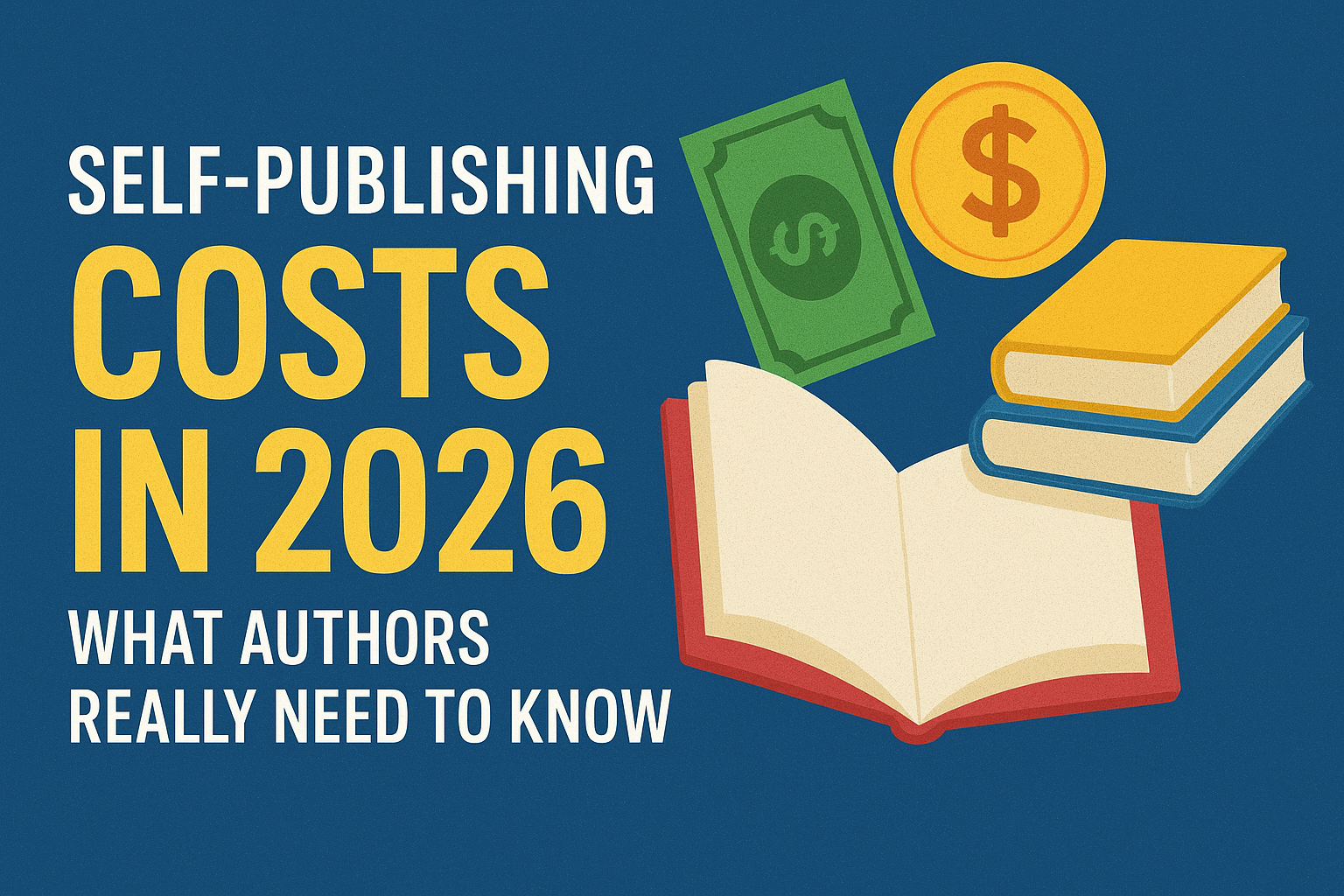
The dream of self-publishing has never been more accessible. Platforms like Amazon KDP, IngramSpark, and Draft2Digital allow anyone to publish a book with zero upfront fees, theoretically making authorship available to all. Yet the reality of successful self-publishing in 2026 is far more nuanced than the “publish for free” marketing suggests. While you can technically upload a Word document and call yourself published, creating a book that looks professional, reaches readers, and generates meaningful sales requires strategic planning and resource allocation.
This comprehensive guide breaks down what self-published authors truly need to invest in during 2026, distinguishing between essential elements, valuable investments, and unnecessary expenditures that drain budgets without delivering results. Whether you’re preparing to launch your first book or refining your approach after previous releases, understanding these priorities helps you allocate resources wisely, avoid expensive mistakes, and build a sustainable author career.
The Three-Tier Approach to Self-Publishing Investment
Before examining specific elements, it’s helpful to understand that self-publishing preparation falls into three tiers based on resource availability and ambitions.
Bare Minimum Tier: This approach covers only the absolute essentials—a professional cover and basic editing. Books launched at this level can succeed, particularly in forgiving genres or if the author has strong existing marketing skills, but they face significant headwinds in competitive markets.
Professional Standard Tier: This represents what most successful self-published authors invest per book. It includes professional editing, cover design, formatting, and modest marketing effort. Books at this level compete effectively with traditionally published titles in terms of presentation quality.
Premium Launch Tier: This approach adds extensive marketing—paid advertising campaigns, publicity services, advanced reader programs, and potentially audiobook production. Authors with proven track records or those launching ambitious projects often operate at this level.
Understanding these tiers helps set realistic expectations. You don’t necessarily need premium-tier investment to succeed, but understanding what each tier typically delivers helps you make informed decisions about where to allocate limited resources.
Essential Elements: The Non-Negotiables
Certain elements are virtually mandatory for any book hoping to compete in today’s market. Skimping on these areas almost always proves penny-wise and pound-foolish.
Professional Cover Design
In 2026, your cover design remains the single most important factor in whether browsers become buyers. Readers judge books by covers instantly and mercilessly. An amateur cover signals amateur content, regardless of your writing quality.
Budget Options: Premade cover sites like GoOnWrite, SelfPubBookCovers, or BookCoverZone offer genre-appropriate designs at accessible price points. These covers use stock images that may appear on other books but provide professional design. Custom covers from designers on platforms like Fiverr or 99Designs offer more originality while remaining budget-friendly.
Mid-Range Options: Established cover designers with genre expertise understand specific genre conventions, create covers that signal appropriate reader expectations, and deliver files in all necessary formats. At this level, you’re getting covers comparable to traditionally published books.
Premium Options: High-end designers who work with major publishers deliver covers that can elevate your book’s perceived quality significantly. For competitive genres or books with commercial aspirations, this investment often pays for itself in increased conversion rates.
The Bottom Line: Never skip professional cover design. If budget forces choices, invest more in cover than in almost any other area. A great cover on a decent book outsells a decent cover on a great book every time.
Professional Editing
Editing represents your second non-negotiable element, though the specific type and extent of editing required varies based on your manuscript and skills.
Developmental Editing: Developmental editors address big-picture issues—plot structure, character development, pacing, and thematic coherence. If your manuscript has structural problems or you’re a newer writer still developing craft, developmental editing provides invaluable improvement.
Most self-published authors skip developmental editing, relying instead on beta readers and critique partners for feedback, then addressing structural issues themselves. If you have strong critique partners and good self-editing skills, you might reasonably defer professional developmental editing.
Copy Editing: Copy editing addresses sentence-level issues—grammar, syntax, word choice, consistency, and clarity. This level of editing is essential for professional-quality books. Copy editors catch the errors that make readers post reviews complaining about typos and grammar problems.
Proofreading: Proofreading is the final pass after formatting, catching any remaining typos, formatting errors, or inconsistencies. It’s less intensive than copy editing but still valuable, particularly for print books where errors are permanent. Some authors combine copy editing and proofreading by having their copy editor do a final proofread of formatted files.
The Bottom Line: At minimum, invest in copy editing. Your book must be clean and professional. Developmental editing is valuable but can sometimes be substituted with strong critique partners and self-editing. Proofreading is highly recommended but can potentially be done by careful beta readers if resources are severely constrained.
Professional Formatting
Formatting ensures your book’s interior looks professional across all formats—ebook, print, and potentially audiobook.
DIY Formatting: Authors with technical skills can format ebooks using free tools like Calibre, or invest in one-time purchase software like Vellum (Mac only) or Atticus. For print, tools like Reedsy Book Editor or Atticus provide professional results. This approach saves money but requires time investment to learn the tools and attention to detail to avoid formatting errors.
Professional Formatting Services: Many designers offer complete formatting packages—ebook and print interior—depending on book length and complexity. This ensures professional results without requiring you to develop technical skills. For authors who find formatting tedious or confusing, this investment buys peace of mind and time to focus on writing.
The Bottom Line: Formatting is one area where DIY can work if you’re technically inclined. However, poor formatting damages reader experience, particularly for print books. If you have any doubt about your abilities, hire a professional—it’s relatively accessible compared to other investments.
Important But Flexible Elements
Beyond essentials, several elements can significantly improve your book’s success but vary widely in necessity depending on your specific situation.
ISBN Numbers
ISBNs (International Standard Book Numbers) uniquely identify your book. In 2026, their necessity depends on your distribution strategy.
Free Options: Amazon provides free ASINs (Amazon Standard Identification Numbers) for books distributed through KDP. If you’re exclusively distributing through Amazon, you technically don’t need ISBNs, though having them offers benefits.
Purchased ISBNs: ISBNs can be purchased from Bowker (the U.S. ISBN agency) individually or in bulk packages. You need separate ISBNs for each format—one for paperback, one for hardcover, one for ebook if not using retailer-provided identifiers. Bulk purchases offer better value per ISBN.
The Bottom Line: If you plan to distribute widely (through IngramSpark to bookstores and libraries) or publish multiple books, invest in a multi-pack of ISBNs. If you’re only using Amazon KDP, ISBNs are optional though still recommended for professionalism.
Marketing and Advertising
Marketing represents the widest variance in self-publishing investment. You can spend nothing or significant amounts, with results depending heavily on strategy and execution rather than just resource allocation.
Organic Marketing: Building an email list, engaging on social media, participating in reader communities, and leveraging word-of-mouth requires primarily time rather than money. Add modest resources for email marketing service, website hosting, and graphic design tools, and you can execute meaningful marketing on a minimal budget.
Paid Advertising: Amazon Ads, Facebook Ads, BookBub Ads, and other paid channels can dramatically accelerate discovery but require both budget and learning. Most authors should allocate resources for initial advertising experimentation, understanding that much of this investment goes toward learning what works before campaigns become profitable.
Promotional Services: Services like BookBub Featured Deals (expensive and selective), Bargain Booksy, Robin Reads, and dozens of others promote discounted books to their subscriber lists. A coordinated promotion across multiple services can generate meaningful sales spikes.
The Bottom Line: Start with organic marketing while learning paid advertising gradually. Allocate resources for marketing experimentation if possible, but recognize that marketing is an ongoing investment rather than a one-time expense.
Website and Author Platform
An author website serves as your home base, providing credibility and a platform you fully control.
Basic Website: Domain registration plus basic web hosting provides a simple but professional web presence. WordPress, Wix, or Squarespace allow authors with minimal technical skills to create attractive sites.
Professional Website: Hiring a web designer creates a more sophisticated, custom site. This investment makes sense for authors planning multiple releases who want a professional platform that grows with their career.
The Bottom Line: A basic author website is valuable but not immediately essential. In your first year, you can defer this expense, using free options like a Facebook page or linking to your Amazon author page. As you build your career, invest in a proper website.
Advanced Reader Copies (ARCs)
ARCs distributed to reviewers and launch team members generate early reviews and buzz. The approach depends on whether you distribute digital or physical copies.
Digital ARCs: Services like BookSirens and BookSprout connect authors with review readers and manage distribution. This is the most resource-effective ARC strategy.
Print ARCs: Printing and shipping physical ARCs to reviewers, bookstores, and media outlets requires significantly more resources. Unless you’re specifically targeting print-focused outlets or need physical ARCs for conferences, digital distribution suffices for most self-published authors.
The Bottom Line: Invest in digital ARC distribution through a service like BookSirens. Skip print ARCs unless you have specific strategic reasons to send physical copies.
Optional and Often Unnecessary Elements
Several expenses that seem important often deliver minimal value, particularly for debut authors on limited budgets.
Audiobook Production
Audiobooks represent the fastest-growing format, but production can be resource-intensive. In 2026, you have several options:
ACX Royalty Share: Amazon’s ACX platform allows royalty-share arrangements where narrators produce audiobooks for a percentage of royalties rather than upfront payment. This eliminates upfront requirements but reduces long-term earnings.
Professional Production: Hiring narrators directly and covering production expenses gives you complete control and higher royalties but requires significant upfront investment.
The Bottom Line: For debut authors, defer audiobook production until your book proves commercially viable in ebook and print formats. If your book sells well, audiobook investment makes sense. If it doesn’t gain traction, you’ve avoided expensive production for a format that wouldn’t have sold anyway.
Publicity Services
Book publicity firms promise media coverage, reviews, and exposure. In reality, most self-published books receive minimal mainstream media attention regardless of publicity investment, making these services questionable return on investment for most authors.
The Bottom Line: Skip publicity services initially. Allocate resources to professional editing and cover design instead. If your book gains traction organically and you have budget for acceleration, publicity services might make sense, but they shouldn’t be part of initial launch priorities.
Book Contests and Awards
Numerous book awards and contests charge entry fees. While legitimate awards exist, most provide minimal exposure or credibility to justify their requirements.
The Bottom Line: Be highly selective about contest entry. Major, respected awards might justify the investment, but skip the numerous pay-to-enter contests that exist primarily to collect entry fees rather than provide meaningful recognition.
Paid Reviews
Services offering “guaranteed reviews” from publications charge significant fees. While these reviews can be displayed on your book page, their impact on sales is typically minimal.
The Bottom Line: Skip paid reviews. Invest instead in organic review generation through ARC programs and reader outreach.
Creating Your Strategy: A Prioritized Approach
With elements identified, how do you create a plan that balances quality with practical constraints?
The Minimal Approach
If you have limited resources, prioritize ruthlessly:
- Cover Design: Custom cover from a capable designer
- Copy Editing: Professional copy edit
- Formatting: DIY using free tools
- Marketing: Basic email service, ARC platform
- ISBNs: Use free Amazon ASIN
This approach delivers professional presentation—the two elements readers notice most—while keeping requirements minimal.
The Balanced Approach
With moderate resources, you can compete fully:
- Cover Design: Established designer with genre expertise
- Copy Editing: Thorough professional edit
- Proofreading: Final quality check
- Formatting: Professional service
- ISBNs: Multi-pack for future books
- Marketing: ARC platform, promotional services, advertising experimentation
This approach allows professional quality across all areas with room for initial marketing efforts.
The Comprehensive Approach
With substantial resources, you can maximize opportunities:
- Developmental Editing: Big-picture manuscript improvement
- Copy Editing: Extensive sentence-level refinement
- Proofreading: Multiple quality passes
- Cover Design: Premium designer
- Formatting: Professional, multiple formats
- ISBNs: Bulk purchase
- Website: Professional design
- Marketing: Substantial advertising budget, multiple promotional services
This approach delivers everything needed for maximum competitive positioning.
Ongoing Considerations
Beyond launch preparation, self-publishing involves ongoing elements:
Author Platform Maintenance: Website hosting, email marketing service, and social media tools represent recurring requirements.
Marketing and Advertising: Successful self-published authors typically reinvest a significant portion of book revenue into ongoing marketing and advertising to maintain visibility and sales.
Professional Development: Investing in writing craft through workshops, conferences, or courses improves future books’ quality and marketability.
The Return Question: Will Your Investment Pay Off?
The uncomfortable truth is that many self-published books don’t immediately recoup their production investments, let alone generate profit. Understanding this reality helps you approach decisions strategically.
Break-Even Reality: If you invest substantial resources in a book earning modest profit per sale, you need to sell many copies to break even. Many debut self-published books sell modestly in their first year.
This doesn’t mean self-publishing isn’t worthwhile—books can sell steadily for years, and the skills you develop and audience you build across multiple books create compounding value. But it does mean approaching each book as an investment in a long-term career rather than expecting immediate returns.
Conclusion: Invest Strategically, Not Extravagantly
Self-publishing requirements in 2026 vary widely based on your goals, resources, and circumstances. The key to success isn’t spending the most but investing strategically in areas that maximize your book’s competitive positioning.
Prioritize professional cover design and editing—the elements readers notice most. Invest thoughtfully in marketing, understanding that organic word-of-mouth often outperforms paid advertising for debut authors. Build your skills and audience gradually rather than betting everything on a single launch.
Most importantly, recognize that self-publishing is a marathon, not a sprint. The investments you make in learning, audience building, and professional infrastructure across multiple books matter more than any single book’s budget. Start with what you can manage, learn from each release, and scale your investment as your career develops and circumstances allow.
Your first book’s approach might be modest, but with strategic investment in the right areas, you can produce a professional product that competes effectively and launches your author career on solid footing.