Balancing AI and Human Creativity: How Generative Tools Shape Modern Content Strategy
The creative landscape has transformed dramatically over the past few years, with generative AI tools emerging as both collaborator and catalyst in content creation. For writers, marketers, and creative professionals, these technologies present a paradox: they offer unprecedented efficiency and capability while simultaneously raising fundamental questions about authenticity, originality, and the irreplaceable nature of human creativity. At LiteraryLounge, we’ve spent considerable time exploring this intersection, working with authors and content creators to integrate AI tools thoughtfully while preserving the distinctive human voice that makes content resonate with audiences.
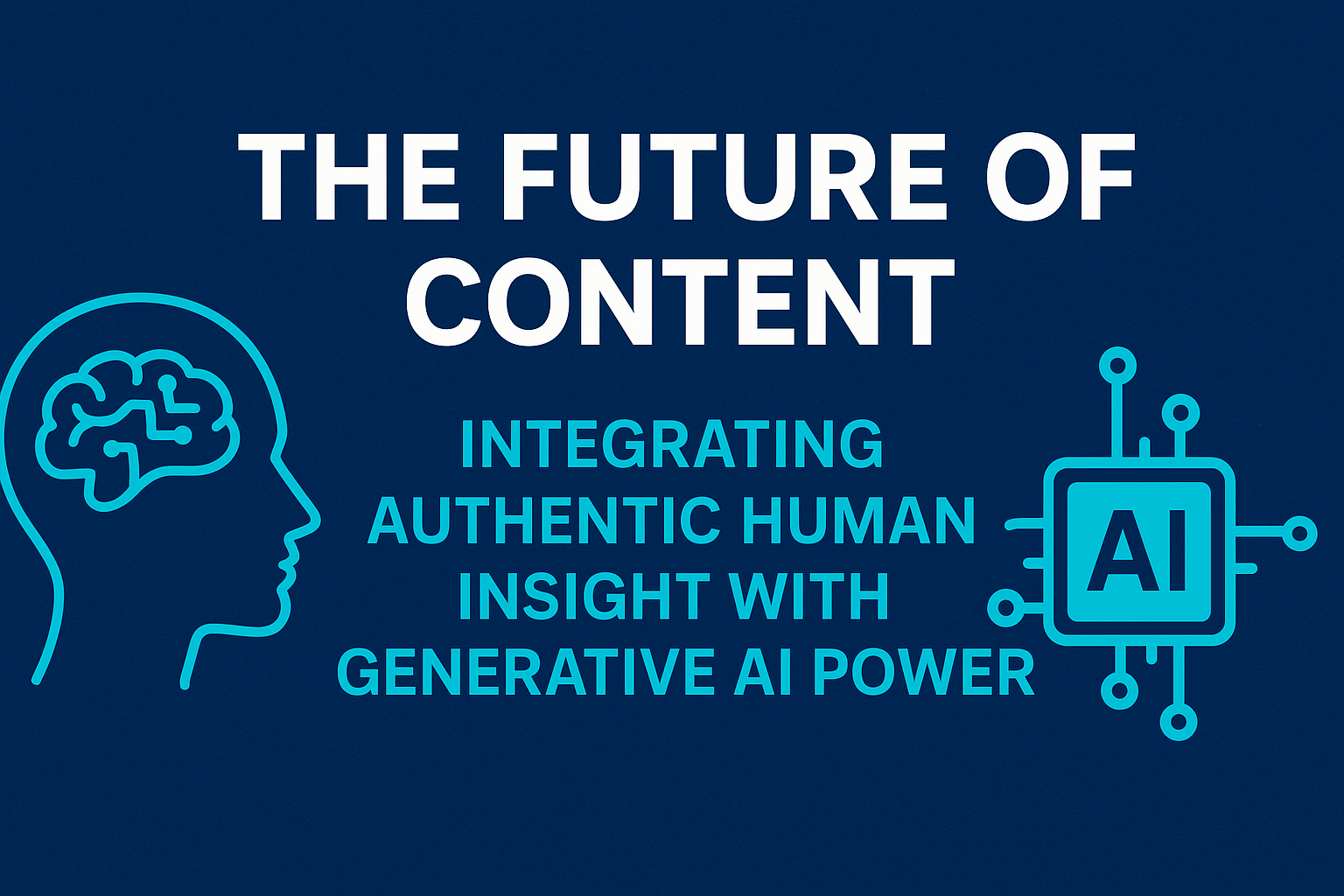
The question is no longer whether to use AI in content strategy—these tools have become too powerful and pervasive to ignore—but rather how to leverage them effectively while maintaining creative integrity and authentic connection with readers. This exploration examines the current state of generative AI, its practical applications in content creation, the essential role of human creativity, and strategies for achieving balance that amplifies rather than diminishes human creative potential.
The Current State of Generative AI in Content Creation
Generative AI has progressed from novelty to necessity in remarkably short time. Large language models can now produce coherent, contextually appropriate text across genres and formats. Image generation systems create visual content from text descriptions. Audio tools generate music, sound effects, and even synthesized voices that approach natural human speech. These capabilities continue advancing at accelerating pace, with each generation of models demonstrating improved understanding, nuance, and creative capacity.
For content creators, these tools offer practical capabilities that were inconceivable just years ago. A blog post that once required hours of research and writing can now be drafted in minutes. Marketing copy variations that would have demanded days from a copywriting team can be generated and tested within hours. Writers struggling with specific passages can explore multiple approaches quickly, breaking through creative blocks that might otherwise stall projects for days.
At LiteraryLounge, we’ve observed that successful creators approach these tools not as replacements for human creativity but as powerful assistants that handle specific tasks within larger creative processes. The most effective applications augment human capabilities rather than attempting to automate creativity entirely. This distinction—augmentation versus automation—fundamentally shapes how AI integration succeeds or fails in content strategy.
Practical Applications: Where AI Excels in Content Work
Understanding where generative AI tools genuinely excel helps creators deploy them strategically rather than expecting universal solutions to every creative challenge.
Research and Information Synthesis: AI models trained on vast corpora of text can quickly synthesize information across topics, providing starting points for deeper research. Rather than spending hours gathering basic information, creators can prompt AI systems to provide overviews, identify key concepts, or suggest angles for exploration. This accelerated research phase frees time for more valuable work—analysis, original thinking, and creative synthesis that remains distinctly human territory.
Ideation and Brainstorming: When creativity feels stuck, AI can generate numerous alternatives, variations, and unexpected combinations that spark new directions. Need twenty headline options for a blog post? Exploring different approaches to a story opening? Considering various angles for a marketing campaign? AI systems excel at producing volume and variety, creating raw material that human judgment can then evaluate and refine.
Drafting and Iteration: First drafts often represent the most psychologically difficult phase of writing—facing the blank page and producing initial imperfect words. AI can generate rough drafts that provide structure and starting points, which human creators then substantially revise, refine, and infuse with genuine insight and voice. This approach leverages AI’s speed while ensuring human creativity shapes final output.
Format Adaptation and Repurposing: Transforming content across formats—blog posts to social media snippets, long-form articles to email newsletters, written content to video scripts—represents time-consuming but necessary work. AI handles these mechanical transformations efficiently, adapting content structure and style to different platforms while preserving core messages.
Technical and SEO Optimization: AI tools analyze content for search engine optimization opportunities, readability improvements, and technical enhancements. They identify keyword opportunities, suggest structural improvements for better scanning and comprehension, and flag potential issues before publication.
Personalization at Scale: Creating personalized content variations for different audience segments manually is prohibitively time-consuming. AI enables mass personalization, adjusting tone, examples, and emphasis to resonate with specific demographics while maintaining brand consistency.
At LiteraryLounge, we guide creators toward AI applications that genuinely save time without compromising authenticity. The key is selecting use cases where AI handles mechanical or volume-intensive tasks, freeing human creators for work requiring genuine creativity, emotional intelligence, and strategic thinking.
The Irreplaceable Human Elements: What AI Cannot Replicate
Despite impressive capabilities, generative AI exhibits fundamental limitations that underscore why human creativity remains essential to content that genuinely connects with audiences.
Lived Experience and Authentic Perspective: AI models synthesize patterns from training data but possess no lived experience, personal perspective, or authentic point of view. They cannot draw from childhood memories, professional expertise accumulated over decades, or the specific combination of experiences that makes each human creator unique. Content that resonates most powerfully emerges from authentic personal experience—the specific details, emotional truths, and hard-won insights that AI cannot access or fabricate convincingly.
Emotional Intelligence and Empathy: While AI can identify emotional patterns in text and generate emotionally appropriate language, it lacks genuine emotional understanding. It cannot truly empathize with reader struggles, celebrate their victories, or understand the nuanced emotional needs different audiences bring to content. Human creators possess intuitive understanding of how words affect emotions, which stories comfort versus challenge, and how timing and context shape emotional resonance.
Strategic Judgment and Contextual Understanding: Content strategy requires understanding business goals, brand identity, competitive landscape, and audience psychology in ways that inform every creative decision. AI lacks the strategic judgment to know which topics advance business objectives, which messages strengthen brand positioning, or which approaches differentiate from competitors. These strategic choices demand human intelligence that considers multiple variables AI cannot integrate effectively.
Ethical Reasoning and Values Alignment: Content creation involves constant ethical decisions: Is this claim substantiated? Does this language respect audience dignity? Are we representing diverse perspectives fairly? Does this content serve readers’ genuine interests versus manipulating them? These ethical judgments require moral reasoning and values alignment that AI fundamentally lacks.
Creative Intuition and Risk-Taking: Breakthrough creative work often involves intuitive leaps, unconventional connections, and calculated risks that defy algorithmic prediction. The most memorable content violates conventional patterns rather than replicating them. Human creators possess creative intuition that recognizes when to follow rules and when breaking them serves the work better.
Relationship Building and Community Understanding: Effective content strategy builds relationships between creators and audiences over time. This requires understanding community dynamics, recognizing individual voices, remembering previous interactions, and nurturing ongoing connections. AI tools lack the social intelligence and relational memory that enable genuine community building.
Strategies for Effective Integration: Finding Balance
The most successful content strategies neither reject AI tools entirely nor embrace them uncritically. Instead, they develop thoughtful integration approaches that amplify human creativity while leveraging AI capabilities strategically.
Start with Human Strategy, End with Human Refinement: Begin every content project with human-driven strategy—defining goals, identifying audiences, determining key messages, and establishing creative direction. Use AI tools for intermediate tasks like research, drafting, or iteration, but ensure humans make final decisions about what publishes. At LiteraryLounge, we describe this as the “human sandwich” approach—human judgment on both ends with AI assistance in the middle.
Use AI for Volume, Humans for Voice: When content needs demand volume—multiple variations, frequent publishing, extensive personalization—AI handles production while humans establish brand voice guidelines, review outputs, and ensure consistency. For content where distinctive voice matters most—flagship articles, brand manifestos, keynote presentations—human creativity drives entirely, with AI providing only research or technical support.
Establish Quality Gates and Review Processes: Never publish AI-generated content without human review. Establish quality gates that check factual accuracy, brand alignment, ethical considerations, and creative quality. Assign responsibility for reviews to team members with judgment to recognize when AI output succeeds versus when substantial human revision is needed.
Develop AI Literacy Across Teams: Train content teams to understand AI capabilities and limitations. Teams need skills in prompt engineering, output evaluation, and appropriate use cases. They also need critical thinking skills to identify AI hallucinations, recognize when outputs lack authenticity, and know when human-created content is worth the additional time investment.
Create Hybrid Workflows Matching Task Requirements: Design workflows that assign tasks to AI or humans based on where each excels. AI might handle initial research and rough drafting, humans perform creative refinement and strategic editing, AI assists with SEO optimization and formatting, and humans conduct final quality review. These hybrid workflows leverage both capabilities optimally.
Maintain Transparency with Audiences: Consider whether and how to disclose AI use in content creation. While opinions vary, many audiences appreciate transparency about AI involvement, particularly when creators explain how they use tools responsibly while maintaining creative control. LiteraryLounge generally recommends transparency when AI substantially influences content, paired with clear communication about maintained quality standards.
Prioritize Learning and Iteration: AI tools evolve rapidly, as do best practices for their use. Successful integration requires ongoing learning, experimentation with new capabilities, and willingness to adjust approaches based on results. What works today may need revision as tools improve or audience expectations shift.
The Economic Reality: Efficiency Versus Authenticity
Content creators face real economic pressures that make AI tools compelling regardless of philosophical concerns about creativity. Freelance writers compete on platforms where AI-generated content floods the market at impossibly low prices. Marketing teams face demands to produce more content with flat or decreasing budgets. Publishers seek efficiency gains to maintain profitability amid challenging industry economics.
These economic realities make AI adoption nearly inevitable for most content creators. The crucial question becomes how to gain efficiency benefits while avoiding the race to the bottom where content becomes generic, indistinguishable, and ultimately ineffective because it lacks authentic connection with audiences.
LiteraryLounge advocates for what we call “strategic differentiation”—using AI to handle commodity content tasks efficiently while investing saved time and resources in distinctive, high-value content that genuinely differentiates brands and creators. This approach acknowledges economic reality while maintaining strategic focus on content quality that drives meaningful results.
Consider a content marketing team that previously produced ten blog posts monthly, each requiring substantial time for research, writing, and editing. With AI assistance handling research and initial drafting, that team might now produce twenty posts monthly with equivalent effort. The temptation is simply doubling output quantity. The strategic opportunity, however, is maintaining ten posts while investing saved resources in making each substantially better—deeper research, more original insights, stronger storytelling, better production values. These investments create differentiation that commodity AI content cannot match.
Ethical Considerations and Future Implications
The integration of AI into content creation raises ethical questions that responsible creators must address thoughtfully.
Attribution and Intellectual Property: When AI tools train on vast datasets including copyrighted works, questions arise about whether their outputs constitute derivative works requiring attribution or compensation. While legal frameworks remain unsettled, ethical creators consider these implications and make informed choices about tool selection and disclosure.
Labor Displacement and Creative Professions: AI tools demonstrably reduce demand for certain content creation roles, particularly entry-level positions focused on basic writing tasks. This displacement raises questions about workforce transitions, equitable access to emerging opportunities, and societal obligations to workers displaced by automation. Content strategies that prioritize human creativity for high-value work while using AI for mechanical tasks offer one approach to balancing efficiency with employment concerns.
Misinformation and Manipulation: AI tools can generate convincing false information, manipulate through personalization, and create content at scales enabling unprecedented propaganda or deception. Responsible content creators must consider how their AI use contributes to or mitigates these broader societal risks.
Environmental Impact: Training large AI models consumes enormous computational resources with significant environmental costs. While individual content creators cannot control model training decisions, they can consider these impacts when selecting tools and using them judiciously rather than wastefully.
Practical Guidelines for Content Creators
Based on LiteraryLounge’s experience helping creators integrate AI thoughtfully, we offer these practical guidelines:
- Define your creative identity clearly before adopting AI tools. Understanding what makes your voice distinctive helps you recognize when AI outputs align with versus dilute that identity.
- Experiment systematically with different use cases. Test AI tools for various tasks, measure quality and efficiency gains, and identify where they genuinely help versus where human work produces better results.
- Develop strong editing and evaluation skills. The ability to recognize quality, identify problems, and improve AI outputs becomes increasingly valuable as AI handles more initial production.
- Invest in areas where human creativity shows clearest advantage. Deepen expertise, develop distinctive perspectives, cultivate authentic voice, and create content types that showcase uniquely human capabilities.
- Stay informed about tool evolution and best practices. The AI landscape changes rapidly. Ongoing learning ensures you leverage new capabilities while avoiding outdated approaches.
- Build community and relationships that transcend content. As AI commoditizes basic content production, the relationships between creators and audiences become increasingly valuable differentiators that AI cannot replicate.
- Regularly audit your content for authenticity and value. Periodically review whether your AI-integrated workflow produces content that genuinely serves audiences versus simply filling space efficiently.
Conclusion: The Future of Creativity in an AI-Augmented World
The integration of generative AI into content strategy represents neither apocalypse nor utopia for human creativity. Rather, it presents an inflection point that demands thoughtful choices about how we work, what we value, and where human creativity matters most.
At LiteraryLounge, we remain convinced that authentic human creativity—grounded in lived experience, emotional intelligence, and genuine perspective—will always resonate more powerfully than algorithmically generated content, regardless of how sophisticated those algorithms become. The challenge is maintaining creative authenticity and strategic focus while leveraging AI tools for genuine efficiency gains.
The most successful content strategies moving forward will neither reject AI tools on principle nor embrace them uncritically. Instead, they’ll develop sophisticated hybrid approaches that deploy each—human creativity and AI capability—where it excels, creating synergies that amplify rather than diminish human creative potential.
The tools will continue improving, the economic pressures will persist, and the temptation to automate creativity entirely will remain strong. But content that truly matters—that changes minds, touches hearts, and builds lasting connections between creators and audiences—will continue requiring the irreplaceable elements only human creativity provides: authentic perspective, emotional truth, strategic wisdom, and the courage to create something genuinely original rather than algorithmically average.
Your task as a content creator is not choosing between human creativity and AI assistance, but rather determining how to integrate both thoughtfully in service of content that genuinely serves your audience while remaining true to your distinctive creative voice. Get that balance right, and AI becomes not a threat to creativity but a powerful tool amplifying your capacity to create content that matters.