Inside a Book Launch: What to Expect & Creative Event Ideas
The moment you’ve been working toward has finally arrived—your book is ready to meet the world. A book launch represents more than just a publication date on a calendar; it’s an opportunity to celebrate your achievement, connect with readers, generate buzz, and set your book on a trajectory toward success. Whether you’re a first-time author wondering what to expect or a seasoned writer looking to reinvigorate your launch strategy, understanding the anatomy of a successful book launch and exploring creative event possibilities can transform your release from a quiet debut into a memorable cultural moment.
At LiteraryLounge, we’ve orchestrated hundreds of book launches across genres, formats, and budgets. We’ve seen what works, what falls flat, and what unexpectedly becomes the highlight everyone remembers. This comprehensive guide takes you inside the book launch process, from planning timeline to post-event follow-up, while offering creative ideas that will make your launch distinctly yours.
The Launch Timeline: Planning for Success
A successful book launch doesn’t materialize in the week before publication—it requires strategic planning beginning months in advance. At LiteraryLounge, we recommend authors start launch planning at least three to four months before the publication date, creating a timeline that builds momentum systematically.
Three to Four Months Out: This is when fundamental decisions happen. Will your launch be in-person, virtual, or hybrid? What’s your budget? Who’s your target audience for the event? Begin reaching out to potential venues if planning an in-person event, as popular locations book months ahead. Start building your advance reader team—readers who’ll receive early copies in exchange for reviews and word-of-mouth promotion. Create your email campaign sequence announcing the upcoming release and building anticipation.
Two Months Before Launch: Finalize event details including venue contracts, virtual platform subscriptions, or hybrid technology requirements. Send invitations to VIP guests, local media, book bloggers, and influencers. Begin promoting the launch date through social media teasers, revealing the cover, sharing early reviews, and building countdown excitement. Coordinate with bookstores for pre-orders and signed copy availability. If you’re doing a virtual component, test technology thoroughly—audio quality, camera angles, internet bandwidth, and platform features.
One Month Out: Ramp up promotional efforts across all channels. Confirm RSVPs for in-person events to estimate attendance for catering and seating. Prepare your launch day materials: bookmarks, postcards, swag, or promotional items you’ll distribute. Write and practice your reading selection and speech—you’ll want to sound natural rather than nervous. Coordinate final details with venue staff, caterers, booksellers, or technical support teams. At LiteraryLounge, we create detailed day-of checklists ensuring nothing falls through the cracks during the excitement of launch day.
Launch Week: Final promotional push through social media, email newsletters, and any media appearances secured. Confirm all logistics one last time. Rest adequately—you’ll want energy and presence for your big day.
What to Expect: The Anatomy of Launch Day
Understanding what typically happens during a book launch helps you prepare mentally and logistically for the experience. While every launch is unique, certain elements remain consistent across successful events.
Pre-Event Setup: Whether at a bookstore, library, restaurant, or virtual platform, arrive early to oversee setup. For in-person events, this means arranging seating, testing microphones, positioning book displays, setting up signing areas, and creating welcoming atmosphere through lighting, music, or decorations. For virtual events, log in at least 30 minutes early to test audio/video, check your background, verify screen sharing functions, and ensure backup plans exist if technology fails.
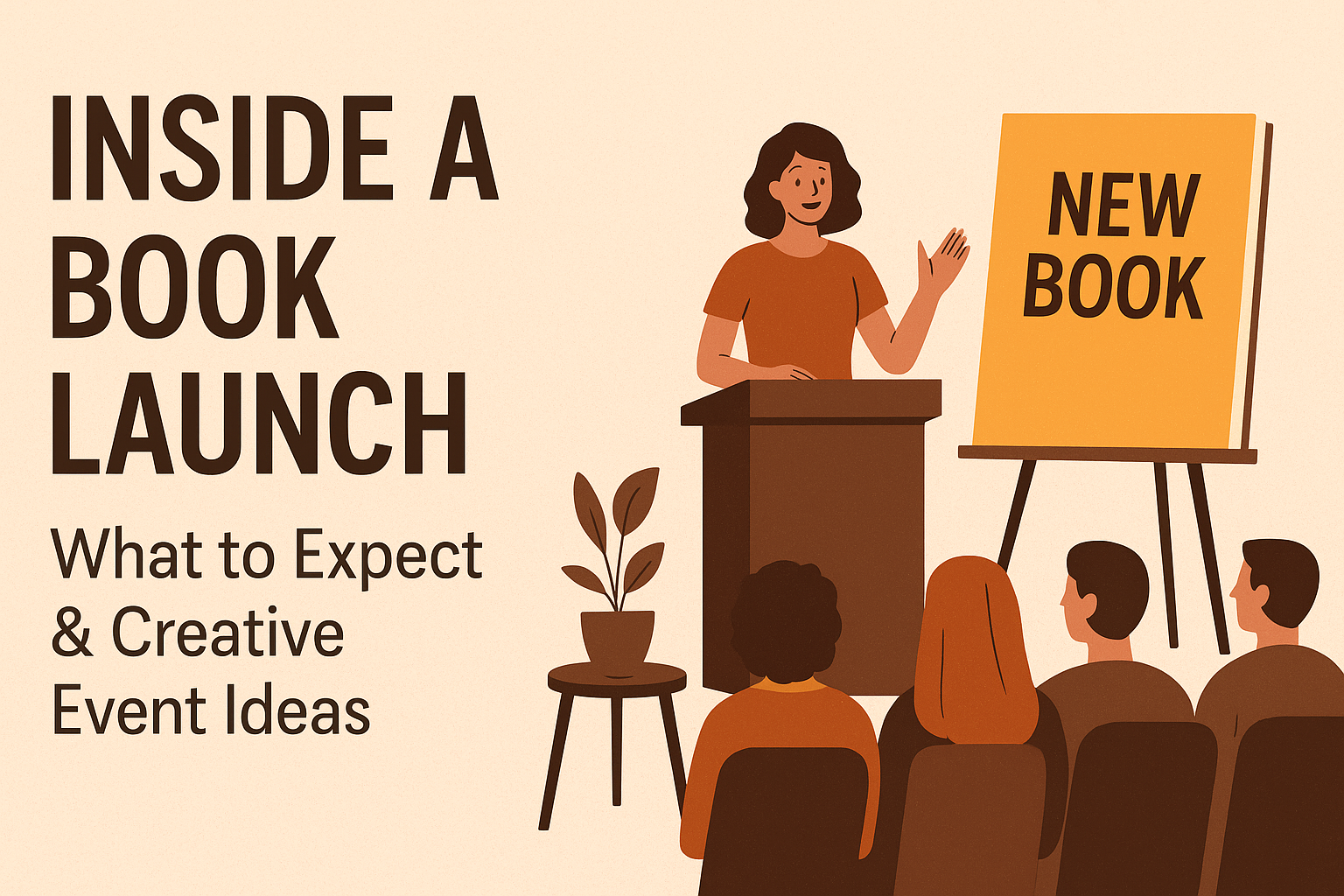
Welcome and Introduction: Most launches begin with a welcome from the host—whether you, a venue representative, or a friend serving as emcee. This introduction sets the event’s tone, thanks attendees for coming, and provides context about the book and author. Keep introductions brief and engaging; attendees came to hear about the book, not lengthy preambles.
The Reading: This centerpiece of most book launches lets your words speak for themselves. Select a passage that stands alone narratively while showcasing your writing style—typically 10-15 minutes of reading time. Practice beforehand to maintain pacing, emphasize key moments, and avoid stumbling. For fiction, choose a scene with tension, emotion, or humor that hooks listeners. For non-fiction, select content that delivers value or reveals fascinating insights.
Author Talk: After the reading, share your journey writing the book. What inspired it? What challenges did you face? What do you hope readers take away? This personal connection transforms you from an abstract author name into a real person readers feel invested in supporting. Keep it conversational and authentic—people connect with vulnerability and humor more than polished marketing speak.
Q&A Session: Opening the floor to questions creates interactive energy and lets readers engage directly. Plant a few friendly faces with prepared questions in case audience members are initially shy. Questions might range from writing process inquiries to character inspirations to sequel plans. Be gracious with every question, even ones you’ve answered a hundred times—it’s new to this asker.
Book Signing: The signing line represents individual connection time with each reader. Personalize inscriptions, express genuine gratitude, and take time for brief conversations. These moments create devoted fans who’ll evangelize your work. Have bookmarks or promotional materials available for people to take. At LiteraryLounge events, we ensure signing areas have adequate table space, good lighting, and efficient flow to prevent bottlenecks while maintaining intimate interactions.
Closing and Networking: As formal programming concludes, informal networking begins. Attendees mingle, take photos, exchange contact information, and discuss the book. This organic community-building often produces the most meaningful connections of the event.
Creative In-Person Launch Ideas
While traditional bookstore readings remain valuable, creative approaches can make your launch unforgettable and more aligned with your book’s themes or personality.
Themed Immersive Experiences: Transform your launch space to reflect your book’s setting or themes. For a mystery novel, host at a speakeasy with 1920s décor and period music. A cookbook launch could occur in a restaurant with tastings of featured recipes. A fantasy novel might inspire medieval banquet styling. LiteraryLounge worked with an author whose historical fiction launch at a museum included costumed actors recreating scenes from the book—attendees still talk about it years later.
Launch Parties with Purpose: Incorporate charitable elements by partnering with causes aligned with your book’s themes. A portion of book sales could benefit relevant nonprofits, organizations could co-host the event, or you might organize donation drives during the launch. This adds meaning beyond marketing while attracting attendees who value the cause.
Multi-Author Launch Collaborations: Partner with authors in your genre for combined launch events. Shared audiences mean expanded reach, split costs reduce individual financial burden, and varied programming keeps energy high. We’ve seen successful launches where three romance authors hosted “Romance Writers Night” with each reading excerpts, followed by panel discussions about the genre. Mystery writers have organized “Killer Party” launches where each author presents clues leading to a collaborative puzzle-solving finale.
Destination Launches: If your book features a specific location prominently, consider launching there. Beach reads launch at seaside venues, mountain adventure stories debut at ski resorts, and books set in specific cities launch in those locations. The setting becomes both marketing tool and experiential element that resonates with attendees and creates compelling social media content.
Interactive Workshop Launches: For non-fiction, particularly how-to or skill-building books, launch with workshops demonstrating the book’s concepts. A productivity book might include efficiency workshop stations. A photography guide could feature hands-on shooting sessions. Attendees leave with both your book and practical experience applying its lessons—creating immediate value that encourages word-of-mouth promotion.
Unconventional Venue Choices: Think beyond bookstores and libraries. Breweries, art galleries, gardens, historic homes, theaters, or unusual spaces create memorable atmospheres. One LiteraryLounge client launched a craft-themed novel at a yarn shop with knitting circles demonstrating techniques featured in the book. Another launched a business book at a co-working space, attracting the precise professional audience the book targeted.
Virtual and Hybrid Launch Innovations
Digital launches expanded dramatically in recent years, offering accessibility and reach impossible with physical-only events. Hybrid approaches combining in-person intimacy with virtual reach often deliver optimal results.
Interactive Virtual Launches: Elevate basic video readings through interactive elements. Use polls to let viewers choose which passages you read. Incorporate breakout rooms for small-group discussions about themes. Feature live Q&A through chat functions, encouraging dialogue among participants not just with you. Share screens showing book interiors, maps, character visualizations, or research photos that enrich understanding.
Virtual Launch Tours: Rather than one event, organize a week of virtual appearances across book clubs, reader groups, podcasts, and online communities. Each appearance reaches different audience segments while creating sustained momentum. LiteraryLounge coordinates virtual tours hitting 10-15 venues over launch week, dramatically expanding an author’s reach compared to single-event limitations.
Social Media Launch Parties: Facebook Live, Instagram Live, YouTube premieres, or TikTok events bring launches directly to where readers already spend time. These informal formats often feel more authentic and accessible than structured events. Encourage attendees to comment with questions, reactions, and excitement throughout. Consider incorporating games, giveaways, or challenges that encourage participation.
Hybrid Event Best Practices: When combining in-person and virtual elements, ensure the virtual audience doesn’t feel like afterthoughts. Position cameras to capture speakers clearly, use quality microphones, and assign someone to monitor virtual chat and relay questions. Create virtual-specific interactive elements so remote attendees feel equally engaged. Test technology exhaustively beforehand—technical glitches kill energy faster than anything else.
24-Hour Global Launch Marathons: For truly ambitious launches, organize 24 hours of continuous programming across time zones. As one region’s event concludes, the next begins. Feature interviews, readings, panels, games, and interactive sessions throughout. This approach generates tremendous social media momentum as different audiences engage sequentially, creating around-the-clock buzz.
Post-Launch Momentum: Keeping Energy Alive
The launch event itself is just the beginning—smart authors leverage that initial momentum to sustain visibility and sales beyond launch week.
Content Repurposing: Record your launch event (with attendees’ permission) and repurpose content across platforms. Edit the reading into a YouTube video, create Instagram Reels from highlights, transcribe Q&A for blog posts, and share photos across social media. One event generates weeks of content when strategically repurposed.
Thank You Campaign: Within days of launch, send personalized thank-yous to attendees, media who covered the event, venue hosts, and anyone who supported the launch. Express genuine gratitude and offer ways people can continue supporting your book—leaving reviews, recommending to book clubs, or sharing on social media. This follow-up transforms one-time attendees into ongoing advocates.
Review Generation: Launch attendees represent your warmest audience—people who cared enough to attend. Follow up with gentle review requests, making the process easy by providing direct links to review platforms. At LiteraryLounge, we’ve seen launch attendees generate 30-50% of a book’s early reviews when followed up with appropriately.
Launch Event Series: Consider your official launch as the first of several events rather than a singular occasion. Host a series of readings, discussions, or appearances at different venues over subsequent weeks. This extended launch period sustains momentum and reaches audiences who couldn’t attend the initial event.
Media Follow-Up: Use successful launch turnout and energy as hooks for media pitches. “Local author’s launch draws packed crowd” or “Virtual launch reaches readers in 15 countries” provide newsworthy angles for follow-up coverage. Share photos and quotes from the event that media can use in stories.
Budget Considerations: Launches for Every Investment Level
Book launches need not be expensive to be effective. LiteraryLounge has orchestrated impactful launches across every budget level.
Low-Budget Launches: Free venues like libraries or bookstores that don’t charge rental fees eliminate major expenses. Virtual launches require only reliable internet and basic equipment most authors already own. Focus spending on what matters most—quality books for signing and perhaps simple refreshments. Many successful launches cost under $200 through creative resourcefulness and community support.
Mid-Range Launches: With budgets of $500-1,500, you can rent interesting venues, provide substantial catering, invest in promotional materials (bookmarks, posters, professional photography), and create more polished experiences. Professional audio/visual equipment rentals, tasteful decorations, and quality refreshments elevate atmosphere without breaking the bank.
High-Investment Launches: Budgets exceeding $2,000 enable premium venues, professional event coordination, substantial catering, entertainment (musicians, performers), extensive promotional campaigns, and elaborate thematic elements. While larger budgets allow more spectacle, success ultimately depends more on authentic connection with readers than expensive trappings.
The Heart of Launch Success: Authentic Connection
After orchestrating countless launches at LiteraryLounge, we’ve observed that the most successful events share one crucial element: authentic connection between author and readers. Elaborate venues, celebrity endorsements, and expensive catering matter less than genuine moments of shared passion for stories and ideas.
The author who nervously shares how a book helped them process personal loss connects more deeply than polished, rehearsed presentations. The launch that becomes a joyful celebration of community rather than transactional book-selling creates lasting impact. When you approach your launch as an opportunity to share something meaningful with people who care rather than an obligation to perform, that authenticity resonates.
Your book launch represents a unique moment in your writing journey—a threshold between private creation and public sharing. Whether you host fifty people in a bookstore, stream to hundreds online, or combine both approaches, remember that each person attending or tuning in chose to spend limited time supporting your work. Honor that choice with gratitude, authenticity, and genuine connection.
As you plan your launch, let your book’s essence guide decisions. Stay true to your voice, your story, and your community. The perfect launch isn’t the most expensive or elaborate—it’s the one that authentically represents you and your work while creating meaningful connections with readers who will champion your book long after launch day concludes. At LiteraryLounge, we believe every book deserves a launch that honors both the work and the courage it took to bring it into the world. Now go create your perfect launch.