The Future of Events: How Publishers & Education Brands Can Connect, Inspire & Grow
The landscape of events for publishers and educational brands has undergone seismic shifts over recent years, accelerated by technological advancement, changing audience expectations, and global disruptions that forced immediate innovation. What emerged from this transformation is not merely a return to “normal” but an evolution toward more dynamic, accessible, and impactful event experiences that transcend traditional boundaries of geography, format, and engagement.
Publishers and education brands now stand at an inflection point where the future of events promises unprecedented opportunities to connect with audiences, inspire communities, and drive sustainable growth. This comprehensive exploration examines emerging trends, innovative formats, technological enablers, and strategic approaches that will define successful event strategies for publishing and education sectors in the years ahead.
The Hybrid Revolution: Best of Both Worlds
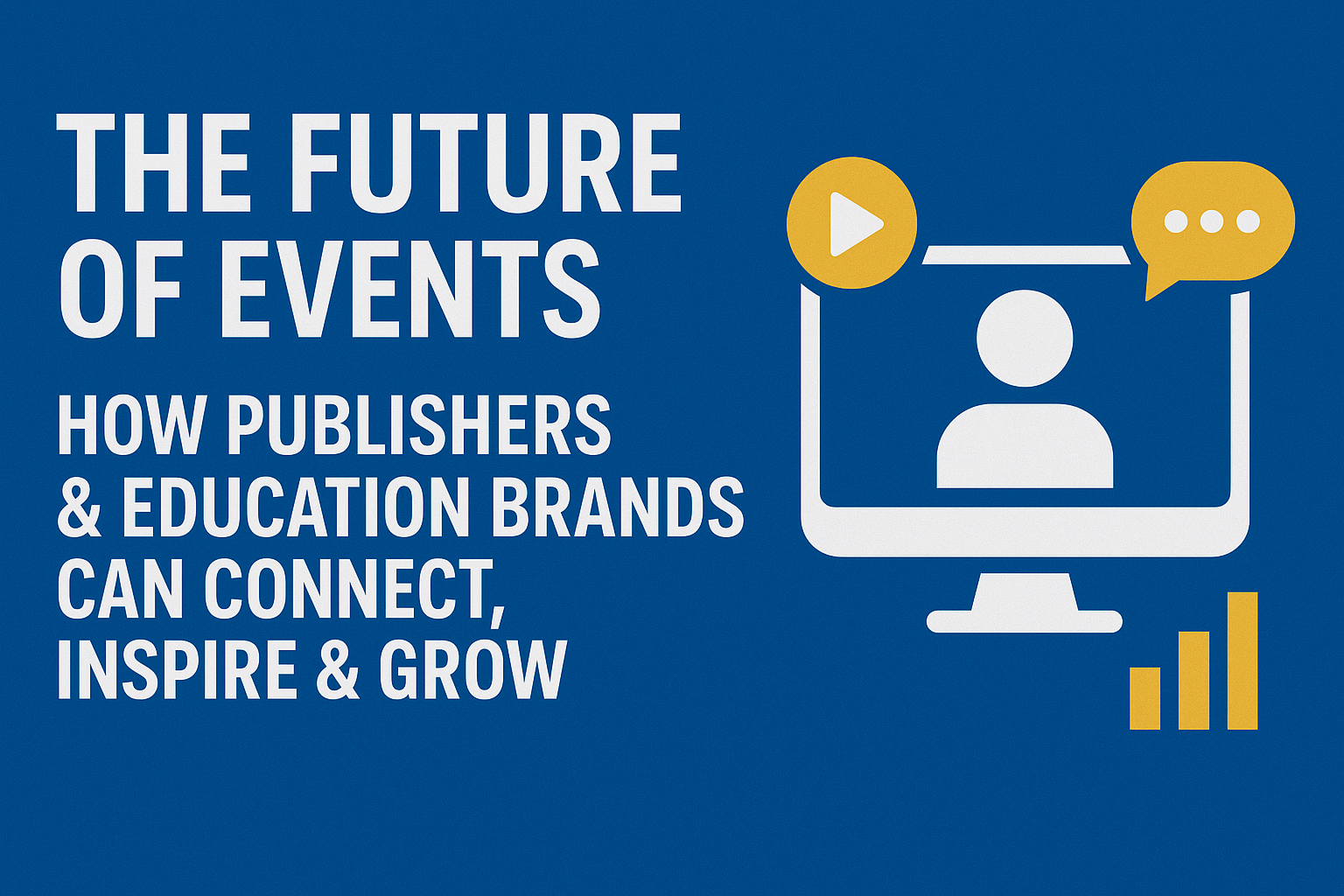
The most significant shift in event strategy is the emergence of hybrid events as the new standard rather than temporary accommodation. Hybrid events—combining in-person experiences with virtual participation—offer compelling advantages that neither purely physical nor entirely digital events can match.
Expanded Reach and Accessibility: Hybrid formats dramatically expand potential audience size by eliminating geographical barriers. A book launch in Mumbai can engage readers in Bangalore, Delhi, and internationally without travel requirements. Educational seminars reach learners across rural and urban areas equally. This democratization of access aligns perfectly with publishing and education missions to broadly disseminate knowledge.
Flexibility and Inclusivity: Hybrid events accommodate diverse participation preferences and circumstances. Parents managing childcare, professionals with demanding schedules, individuals with mobility limitations, or those simply preferring digital interaction can all engage meaningfully. This inclusivity expands market reach while demonstrating commitment to accessibility.
Data and Engagement Insights: Digital components of hybrid events generate rich data about attendance patterns, engagement levels, content preferences, and audience demographics. Publishers and education brands can leverage these insights to refine content strategies, personalize marketing, and improve future events. Understanding which sessions drive longest engagement or which topics generate most questions informs content development decisions.
Extended Lifecycle and Content Repurposing: Hybrid events create valuable content assets extending far beyond the live event. Recorded sessions become on-demand resources, excerpts transform into social media content, transcripts become blog posts, and highlights generate promotional materials for future events. This content multiplication amplifies return on event investment dramatically.
Successful hybrid execution requires thoughtful design ensuring neither in-person nor virtual audiences feel like afterthoughts. Both experiences must deliver value, interaction, and connection appropriate to their format. Publishers hosting author readings might feature live audience Q&A while enabling virtual participants to submit questions via chat. Educational webinars could incorporate breakout discussions for in-person attendees and themed chat channels for digital participants.
Immersive and Experiential Event Formats
The future of events moves beyond passive content consumption toward immersive experiences that engage audiences emotionally, intellectually, and socially in memorable ways.
Interactive Workshops and Hands-On Learning: Educational brands increasingly favor workshop formats over traditional lectures. Participants don’t just hear about concepts—they practice skills, solve problems collaboratively, and create tangible outputs. Publishers can adapt this approach through writing workshops where attendees draft passages, book discussion formats encouraging analytical engagement, or creativity sessions exploring themes from published works.
Gamification and Competitive Elements: Incorporating game mechanics—challenges, points, leaderboards, achievements—transforms events into engaging experiences. Educational publishers might create quiz competitions around textbook content, literary publishers could design mystery-solving activities based on thriller novels, or academic conferences might include research presentation competitions with peer voting.
Augmented and Virtual Reality Experiences: As AR and VR technologies become more accessible, forward-thinking publishers and education brands experiment with immersive storytelling and learning environments. Historical textbook publishers could offer VR experiences transporting students to historical periods. Children’s book publishers might create AR apps bringing characters to life during story readings. While still emerging, these technologies represent significant future opportunities.
Multi-Sensory Engagement: Events engaging multiple senses create more memorable experiences. Book launches might feature music reflecting the book’s themes, scents evoking the setting, or tastings of foods mentioned in the narrative. Educational events could incorporate tactile materials, visual demonstrations, and auditory elements that reinforce learning through multiple pathways.
Micro-Events and Continuous Engagement Strategies
Rather than concentrating energy into a few large annual events, the future favors more frequent, smaller-scale engagements that maintain continuous audience connection.
Weekly or Monthly Virtual Gatherings: Regular smaller events—weekly author Q&As, monthly topical discussions, bi-weekly skill-building sessions—keep audiences engaged between major events. These micro-events require less production investment while building community and maintaining mindshare. Educational brands might offer weekly “office hours” where learners access expert guidance. Publishers could host monthly genre-specific book clubs creating ongoing reader communities.
Pop-Up Events and Flash Engagements: Spontaneous, limited-notice events create excitement through urgency and exclusivity. A publisher might announce a surprise author appearance 48 hours in advance, or an education brand could offer a flash masterclass on trending topics. These unexpected opportunities reward engaged followers and generate social media buzz.
Series-Based Event Structures: Rather than standalone events, organizing events into related series creates narrative continuity encouraging sustained participation. A publisher launching a trilogy might host events timed to each book release, building anticipation and rewarding series followers. Educational brands could offer skill progression series where each event builds on previous learning.
Community-Driven Events: Empowering audiences to organize and lead events under your brand umbrella extends reach while building leadership within communities. Publishers can support reader-organized book clubs, fan conventions, or discussion groups. Education brands might enable peer learning sessions or student-led study groups that maintain connection to your brand while requiring minimal organizational resources.
Personalization and Segmented Event Strategies
One-size-fits-all events increasingly give way to personalized experiences tailored to specific audience segments with distinct interests, needs, and engagement preferences.
Demographic-Specific Programming: Creating events designed for particular demographics—teens, working professionals, retirees, parents, educators—enables more relevant content and appropriate engagement approaches. A publisher might host separate events for young adult readers versus adult literary fiction enthusiasts. Educational brands could offer differentiated programming for K-12 educators versus higher education faculty.
Interest-Based Micro-Communities: Within broader audiences, identifying micro-communities around specific interests or needs enables highly targeted events. Science fiction readers, historical non-fiction enthusiasts, or poetry lovers each appreciate specialized programming. In education, teachers of specific subjects, grade levels, or pedagogical approaches benefit from focused events addressing their particular contexts.
Proficiency-Leveled Events: Educational brands particularly benefit from events structured around learner proficiency. Beginner, intermediate, and advanced sessions prevent frustration from content being too basic or too complex. Publishers of instructional or skill-development books can apply similar approaches, offering events matching reader expertise levels.
Personalized Event Journeys: Technology increasingly enables personalized event experiences where attendees navigate custom paths through event content based on preferences, previous engagement, or assessment results. Virtual platforms can recommend sessions, connect attendees with similar interests, and curate content feeds matching individual profiles.
Strategic Partnerships and Co-Created Events
The future of events emphasizes collaboration over competition, with publishers and education brands forming strategic partnerships that amplify reach, share resources, and create more valuable experiences.
Cross-Publisher Collaborations: Publishers in complementary genres or markets can co-host events benefiting all participants. Children’s publishers might jointly present at education conferences. Academic publishers could co-sponsor research symposia. These collaborations expand audience access while distributing costs and organizational burden.
Education-Industry Partnerships: Educational brands partnering with industry organizations create authentic connections between learning and real-world application. Career-focused educational publishers might partner with professional associations for credential-aligned events. K-12 education brands could collaborate with STEM industries for hands-on learning experiences demonstrating practical applications.
Technology Platform Partnerships: Collaborating with event technology platforms, learning management systems, or digital community platforms provides technical capabilities and audience access. These partnerships can offer mutual benefits—platforms gain quality content while publishers and education brands access sophisticated tools and established user bases.
Author-Institution Collaborations: Publishers connecting authors with universities, schools, or libraries create events benefiting all parties. Authors gain credibility and exposure, institutions offer valuable programming to their communities, and publishers strengthen academic and educational relationships supporting long-term sales.
Influencer and Creator Partnerships: Collaborating with BookTubers, EduTubers, podcasters, or social media influencers in your niche brings their engaged audiences to your events while offering creators quality content and author/expert access that benefits their channels.
Sustainability and Social Responsibility in Events
Growing awareness of environmental and social issues shapes event strategies, with audiences increasingly favoring brands demonstrating genuine commitment to sustainability and social responsibility.
Reduced Environmental Footprint: Hybrid and virtual events inherently reduce carbon footprints by eliminating or reducing travel. When hosting physical events, sustainable venue selection, minimal print materials, waste reduction strategies, and carbon offset programs demonstrate environmental commitment. Publishers can highlight these efforts while aligning with many readers’ values.
Accessibility as Priority: Designing events accessible to individuals with disabilities—captioning, sign language interpretation, audio descriptions, accessible venues and platforms—expands reach while demonstrating inclusive values. Education brands particularly must model accessibility they promote in educational contexts.
Diverse and Representative Programming: Ensuring speaker diversity across gender, ethnicity, geography, and perspective creates richer events while demonstrating commitment to representation. Publishers showcasing diverse author voices and education brands amplifying varied educator experiences meet audience expectations for inclusive representation.
Social Impact Integration: Tying events to social causes—literacy initiatives, educational equity programs, or community development projects—creates purpose beyond commercial goals. Publishers might donate event proceeds to literacy nonprofits. Education brands could offer free event access to underserved educators or provide scholarship funds for student participation.
Data-Driven Event Strategy and Continuous Improvement
The future of successful event programs relies increasingly on data analysis informing strategy, measuring impact, and driving continuous improvement.
Comprehensive Analytics Frameworks: Successful event strategies establish clear metrics across the event lifecycle—registration conversion rates, attendance versus registration, engagement metrics during events, post-event survey responses, and ultimate impact on sales, subscriptions, or brand metrics. This comprehensive view enables evidence-based decision-making.
Audience Insights and Segmentation: Analyzing participant data reveals audience segments, content preferences, optimal timing, and engagement patterns. Understanding which topics drive highest attendance, which formats generate most engagement, and which follow-up actions convert participants to customers informs resource allocation.
A/B Testing and Experimentation: Systematically testing event variables—promotional messages, registration processes, content formats, timing—identifies optimal approaches. This experimental mindset treats events as opportunities for learning and improvement rather than fixed formulas.
Predictive Analytics and AI: Emerging applications of AI and machine learning enable prediction of event success, personalized event recommendations to individuals, automated content tagging and organization, and chatbot support during events. While still developing, these technologies will increasingly enhance event experiences and operational efficiency.
Monetization Models and Revenue Innovation
As event strategies evolve, so do approaches to monetization, balancing accessibility with sustainable revenue generation.
Tiered Access Models: Offering free basic access alongside premium paid tiers creates inclusive participation while generating revenue. Free tiers might include live session viewing, while premium tiers offer Q&A access, downloadable resources, certificates, or networking opportunities.
Subscription-Based Event Access: Rather than individual event fees, subscription models provide access to entire event series or libraries. Publishers could offer subscriptions including quarterly author events, workshops, and exclusive content. Education brands might bundle event access with course materials or professional development credits.
Sponsorship and Underwriting: Strategic partnerships with brands serving your audience enable sponsored events that remain free or low-cost to participants. Educational publishers might secure sponsorship from educational technology companies. Literary publishers could partner with bookstores, libraries, or literary foundations.
Hybrid Revenue Models: Combining multiple revenue streams—ticket sales, sponsorships, merchandise, content licensing—diversifies income while reducing dependency on any single source. Post-event content sales, corporate packages for professional development, or white-label event content for institutional clients create additional revenue opportunities.
Preparing for the Future: Strategic Recommendations
To position your publishing or education brand for event success in this evolving landscape, consider these strategic priorities:
Invest in Hybrid Infrastructure: Build technical capabilities and organizational expertise for seamless hybrid event delivery. This includes reliable streaming technology, engagement platforms, and staff trained in hybrid event management.
Cultivate Community Beyond Events: Use events as touchpoints within broader community-building strategies. Create ongoing digital spaces—forums, social groups, newsletters—maintaining connection between events.
Prioritize Content Quality and Relevance: In an increasingly crowded event landscape, quality and relevance differentiate successful programs. Invest in understanding audience needs and delivering genuinely valuable content rather than generic programming.
Embrace Experimentation: Allocate resources to testing new formats, technologies, and approaches. Not every experiment will succeed, but innovation requires willingness to try novel approaches and learn from outcomes.
Build Strategic Measurement: Establish robust analytics frameworks connecting event activities to organizational objectives. Demonstrate event ROI through clear metrics linking participation to sales, brand awareness, customer retention, or other strategic goals.
Foster Authentic Connection: Amid technological sophistication, remember that events ultimately succeed through authentic human connection. Technology should enable rather than replace genuine interaction, inspiration, and community.
Conclusion: Events as Strategic Growth Engines
The future of events for publishers and education brands is bright, dynamic, and filled with opportunity. As technology demolishes barriers to connection, as audiences hunger for meaningful engagement beyond passive consumption, and as hybrid models combine the best aspects of physical and digital experiences, events evolve from occasional marketing tactics into strategic growth engines driving audience development, brand loyalty, and sustainable revenue.
Success in this future requires vision to imagine new possibilities, courage to experiment with innovative formats, commitment to quality and authenticity, and strategic discipline to measure impact and continuously improve. Publishers and education brands that embrace these principles—connecting audiences across formats and geographies, inspiring through immersive and meaningful experiences, and growing through data-informed strategy—will thrive in the event landscape taking shape today and tomorrow.
The future of events is not something to predict passively but something to create actively. Your events can become the connective tissue binding your brand to audiences, the inspiration sparking intellectual curiosity and emotional resonance, and the growth driver propelling your organization toward sustainable success. The opportunity is here—now is the time to seize it.